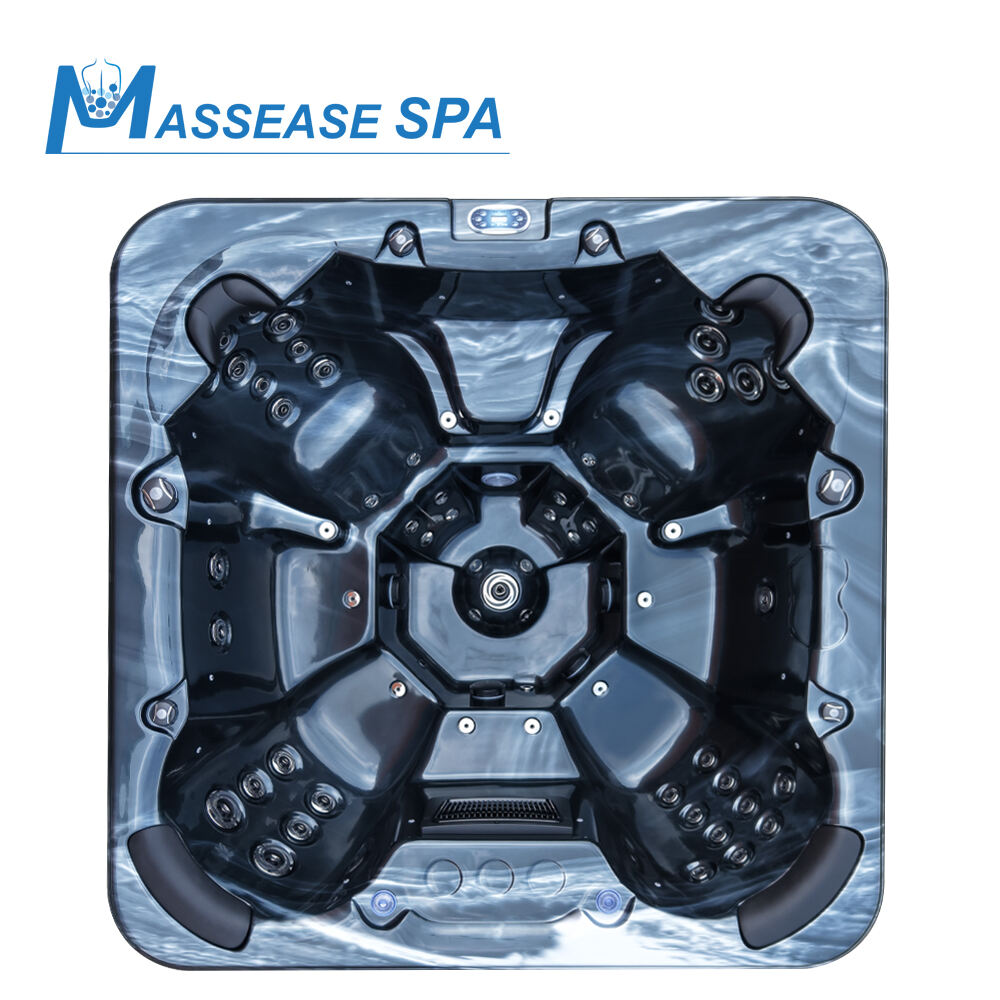
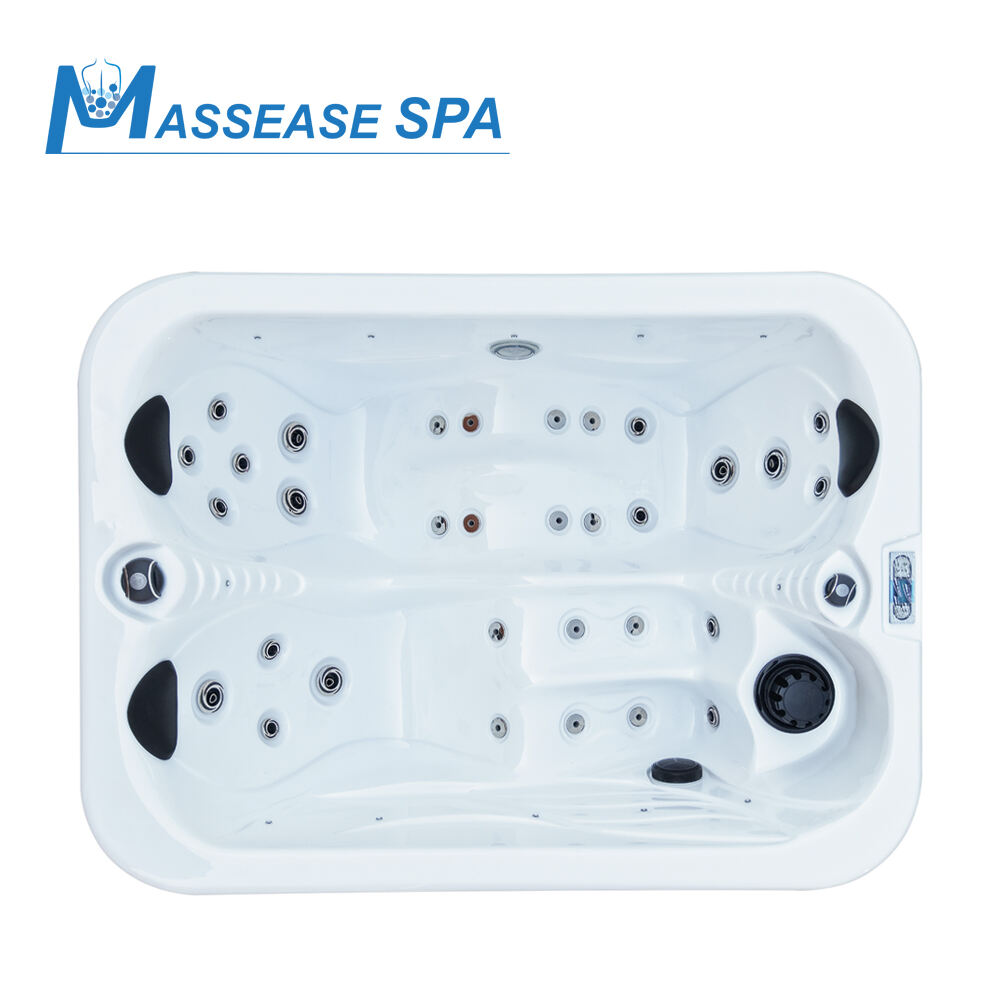
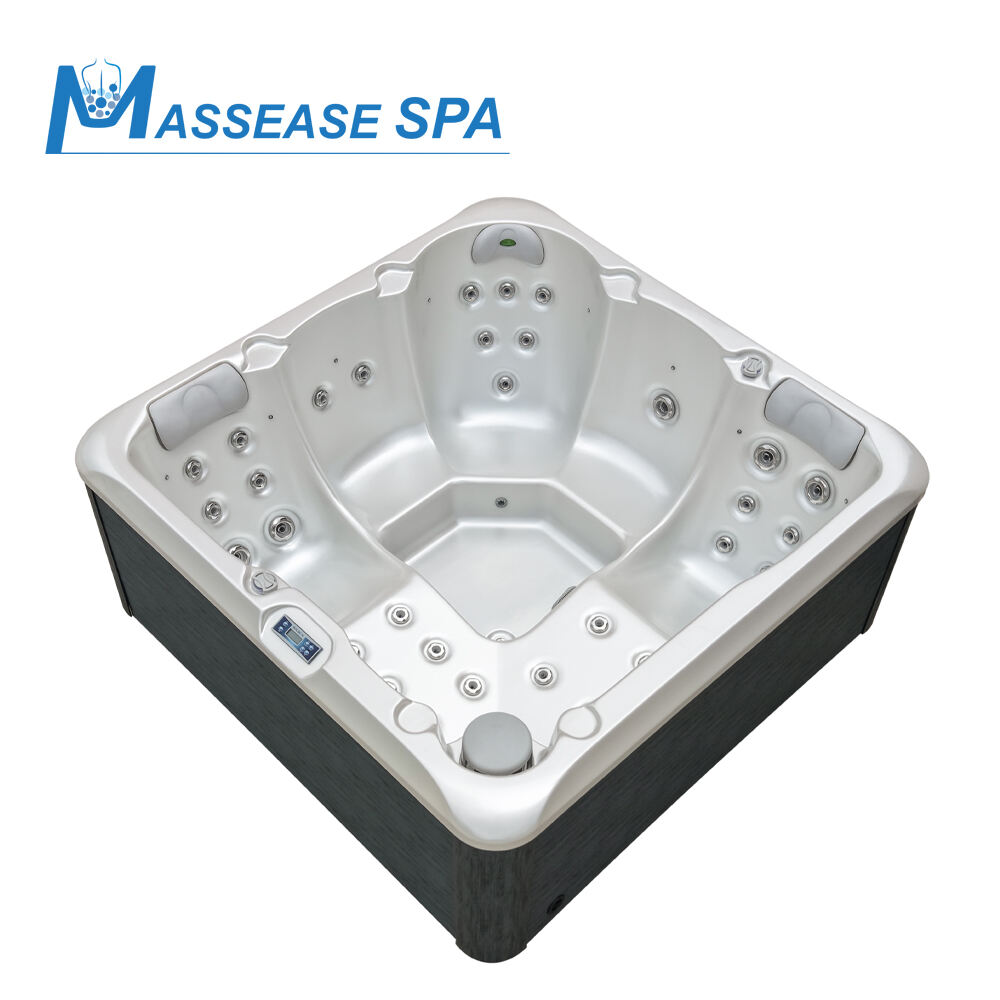
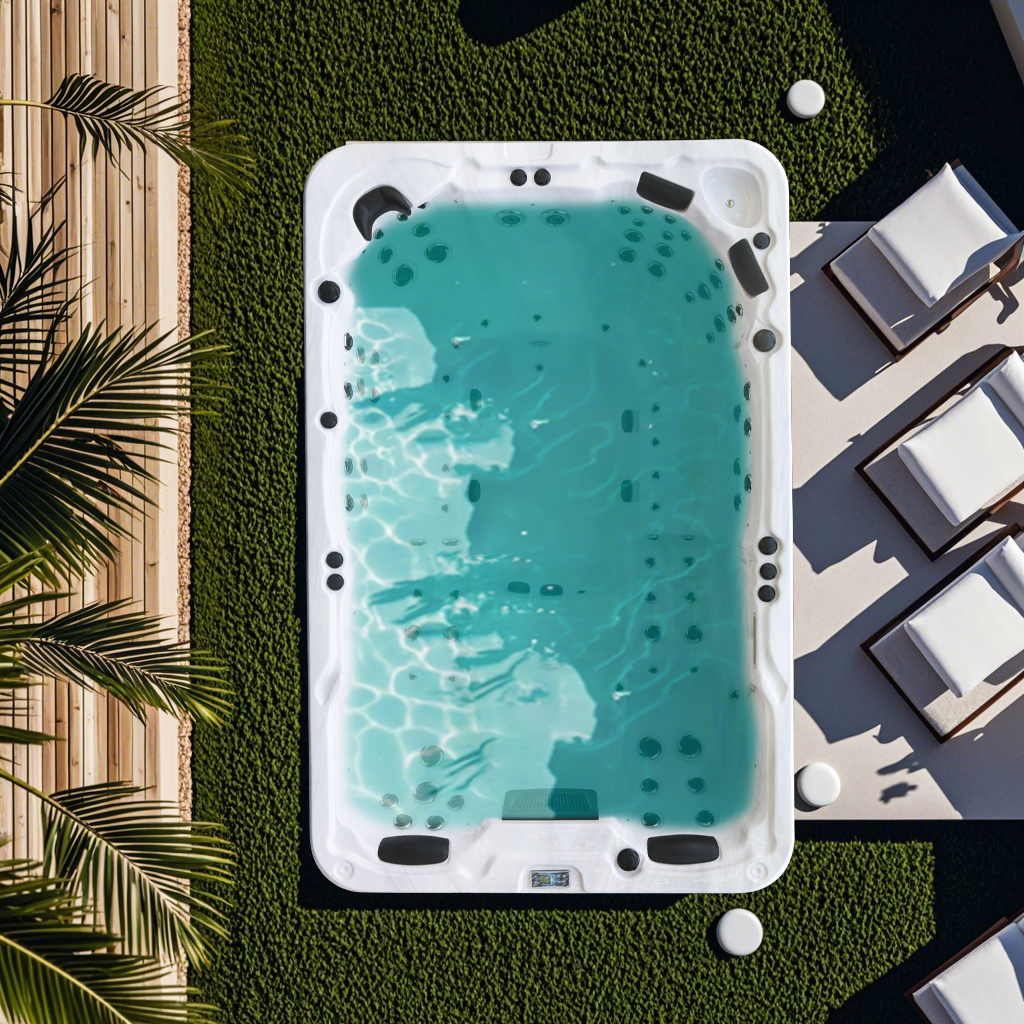
Getting reliable performance throughout all seasons depends on three main engineering components working together. The high-density polyurethane foam insulation we use has an R rating of at least 18, which cuts down on heat loss through conduction by around 70% when compared to regular options on the market. Our thermal lock covers come with built-in vapor barriers that stop evaporative cooling and help fight off wind chill effects too. This combination actually keeps heat inside for about 40% longer than conventional methods. And then there are the dual-mode chillers that really make the difference. These allow for both heating and cooling operations even in tough weather conditions. A recent study published last year showed something interesting: our system can keep water temps stable within plus or minus 2 degrees Fahrenheit across temperatures ranging from minus 20 to 110 degrees Fahrenheit. What's remarkable is that this level of temperature control only adds less than 5% to overall energy costs. So it turns out good thermal stability doesn't have to cost extra in terms of power usage after all.
Real-world validation confirms these engineering principles hold under operational stress. Field data from high-elevation mountain installations (>8,000 ft) show reliable startup at -20°F using cascade heating, while desert deployments verify consistent cooling performance at 110°F ambient. Key metrics from 36-month longitudinal studies include:
These benchmarks reflect not just theoretical capability but proven resilience—establishing the minimum performance threshold for safe, durable four-season operation.
The way different tubs handle temperature changes matters a lot when considering if they'll work throughout all seasons. Hot tubs are made to stay warm around 100 to 104 degrees Fahrenheit thanks to good insulation and powerful heaters ranging from 2 to 4 kilowatts. These tubs can bounce back quickly too, often regaining heat within half an hour after someone opens the lid, which makes them pretty tough against cold weather. Plunge tubs tell a different story though. They're designed to cool down fast between 50 and 60 degrees, but their chillers start struggling once temperatures dip below freezing point. Without special antifreeze additives, ice can form inside and damage pumps, so these aren't great choices for winter months. Traditional Japanese ofuros constructed from solid cedar wood have those deep, narrow shapes that provide some natural insulation. However, without proper covers, these tubs tend to lose about 15 to 20 degrees per hour when exposed to freezing air. Interestingly enough, when people dig these tubs partially into the ground, they actually benefit from better thermal retention because of the earth's natural insulating properties.
Material selection directly governs long-term all-season reliability:
| Material | Freeze-Thaw Resistance | UV Degradation Risk | Expected Lifespan |
|---|---|---|---|
| Cedar | Moderate (cracks at -10°F) | High without sealant | 7–12 years |
| Acrylic | Excellent (flexes at -30°F) | Low (UV-stabilized) | 15–20 years |
| Concrete | Poor (spalls after 10+ cycles) | Moderate | 10–15 years |
| Copper | Exceptional (self-healing) | Negligible | 30–50 years |
Cedar wood naturally insulates buildings pretty well, though it does need sealing twice a year if we want to keep it from warping or soaking up too much moisture. Acrylic materials handle sudden temperature changes better than most, expanding almost nothing when temps fluctuate wildly day to day, which makes them great choices where weather gets really unpredictable. For concrete foundations, putting down vapor barriers and making sure there's good drainage around the perimeter helps stop problems caused by frozen groundwater. When left unchecked, those repeated freeze-thaw cycles can chip away at surfaces and eventually weaken entire structures. Copper has this neat feature where it forms a protective green layer as time passes, working especially well near oceans or in damp climates. But here's the catch for hot tub builders: copper conducts heat so efficiently that extra insulation inside cabinets becomes necessary to maintain safe operating temperatures.
Proper installation is the foundation of year-round resilience—not an afterthought. Begin with meticulous site preparation: clear vegetation and debris, then laser-level the surface to eliminate uneven load distribution that stresses shells and plumbing. Foundation design must align with local climate hazards:
Getting the weather protection right is essential for any outdoor tub installation. Start by covering those electrical conduits with proper waterproof membranes, put in French drains wherever water tends to collect, and don't forget the vapor barrier under the actual tub shell. The folks at the Pool & Spa Pros association found that about three-quarters of early failures happen because of water getting into places it shouldn't. That makes all these steps pretty much mandatory if we want our installations to last. For areas with lots of sun exposure, especially important in desert regions, applying UV resistant coatings on control panels and around plumbing boxes will save headaches later. And let's talk about drainage again since this really matters. When water isn't managed properly, materials break down roughly three times faster in places that go through freezing and thawing cycles throughout the year.
Dual mode systems today actually work throughout all seasons—not merely offer seasonal options—as they combine variable speed compressors, those special phase change materials built into cabinet walls, plus smart controls that adapt based on weather predictions. What makes them stand out is their ability to match energy consumption precisely to what's needed right now, soak up unexpected heat spikes when switching modes, and tweak temperature settings ahead of time thanks to local weather forecasts. According to recent industry tests from last year, these systems keep temperatures stable within about 1.5 degrees Fahrenheit range while running at only 0.8 to 1.2 kilowatts per hour. That represents roughly half the power consumption compared to older single mode units. Something worth mentioning is how smooth the switch happens between heating and cooling functions. There's absolutely no delay whatsoever, so people stay comfortable even if there's an unexpected drop in temperature or a sudden heatwave hits during summer months.
Getting a hot tub to work all year round isn't just about the tub itself but how well it fits into whatever environment it's placed in. For folks living in deserts, think about adding some sort of shade like a pergola covered with fabric that blocks UV rays along with some short windbreaks around the area. This helps cut down on heat buildup from the sun and keeps sand from getting everywhere. When setting up near trees, trim those lower branches carefully so neighbors can't see right into the tub but still keep most of the tree cover overhead for insulation benefits. Cedar wood works great for building enclosures since it resists moisture and prevents rot issues over time. And if someone lives in hilly terrain, positioning the tub against existing slopes or using stone walls makes sense both practically and aesthetically. These natural features help shield against strong winds and actually store heat during the day which gets released at night, making winter months much more comfortable.
Smart microclimate approaches really boost efficiency. For instance, planting drought-resistant hedges or installing lattice screens gives privacy without creating hot spots in dry areas. Putting radiant heat barriers behind exterior finishes cuts down on winter heat escaping from those tricky hillside properties. According to an article published last year in Outdoor Living Journal, when these features are placed thoughtfully following where the sun moves and which way the wind blows, buildings can save between 18 to 25 percent on yearly energy bills. Material choices matter too. Nobody wants their wooden decks rotting away in desert climates, just like nobody wants uninsulated concrete structures cracking during those constant freeze-thaw cycles in forests. Getting this right means people stay comfortable all year round, homes remain safe from weather damage, and property values hold steady through changing seasons.
 Hot News
2026-03-27
2026-02-05
2026-01-30
2025-10-10
2025-07-18
2025-06-30

 EN
EN