 EN
EN

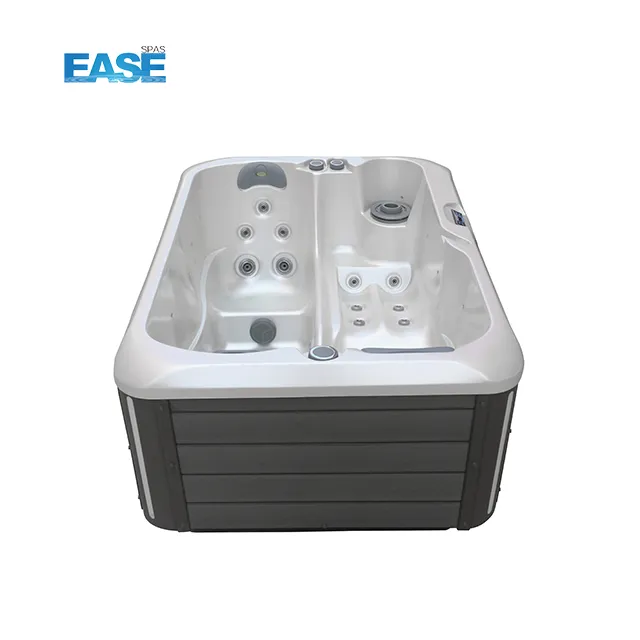
Understanding Whirlpool Benefits and How Hydrotherapy Enhances Relaxation
How hydrotherapy jets provide deep-tissue massage and targeted pain relief
The jets in hydrotherapy systems shoot out water under pressure that gets deep into muscles, kind of like what a pro masseuse would do but without putting stress on joints. When someone is floating in warm water, their body is naturally supported so they can target specific areas where tension builds up, such as those stubborn knots in the lower back or tight spots around the shoulder blades. What happens then is pretty interesting - these moving water streams actually help break down those pesky muscle adhesions and boost blood circulation in the area. Some studies suggest blood flow might increase about 30 percent over just sitting still in water, which helps speed up recovery time and cuts down on inflammation pretty effectively.
Scientific evidence on whirlpool use: stress reduction, improved sleep, and circulation
Research has shown that people who regularly engage in hydrotherapy experience real physical benefits. Spending about twenty minutes in water between 100 to 104 degrees Fahrenheit can cut down cortisol levels roughly 25 percent on average, which helps calm the body's stress reaction quite effectively. This kind of heat treatment also gets the parasympathetic nervous system going, something that makes sleeping better for folks struggling with insomnia. Studies indicate around a 40% improvement in sleep quality after consistent sessions. Blood circulation gets better too. Looking at various studies, there's typically about a 15% boost in how well blood flows through the extremities. This means muscles recover faster after workouts and swelling tends to go down more quickly as well.
Whirlpool vs. air tub: Comparing pressure, sensation, and therapeutic effectiveness
Whirlpools provide focused pressure between 15 and 90 pounds per square inch, which works really well for people dealing with muscle and joint problems. Air tubs on the other hand create lots of small bubbles at around less than 5 psi, giving a milder overall massage effect across the whole body. Most professionals agree that whirlpool therapy is better for long term pain relief since those water jets can hit specific areas deep inside where it hurts. A recent survey found that about three out of four physical therapists prefer whirlpools when treating patients with ongoing discomfort, mainly because they offer much better control over how hard each jet presses against different parts of the body.
Selecting the Right Whirlpool Size, Style, and Layout for Your Space
Getting the right whirlpool size for your bathroom layout matters a lot. Alcove tubs work well against three walls and take up minimal space, making them great for smaller bathrooms. Corner tubs are perfect for those odd shaped rooms where space seems wasted otherwise. Freestanding tubs look amazing as centerpiece pieces but need plenty of room to walk around them comfortably. Walk-ins have those nice low steps for easier access but they eat up quite a bit of floor space. No matter which type you choose, remember it needs to support over a thousand pounds once filled with water and will require its own special electrical setup with 240 volts running to the spot. These aren't small appliances after all!
Alcove, corner, freestanding, and walk-in whirlpools: Space and installation requirements
Measure not only footprint but adjacent clearances: door swings, plumbing access, and service panels need 18–24 inches of unobstructed space. In humid environments, ensure nearby materials—including walls, flooring, and cabinetry—are rated for steam resistance.
Matching design to lifestyle: Accessibility, couples' use, and spa-like bathroom integration
For mobility support, prioritize wider seats and ADA-compliant grab bars mounted into wall studs. Dual-zone jet systems prevent conflict during shared use. Integrated lighting, Bluetooth audio, and natural stone veneers transform functional bathrooms into personalized wellness retreats.
Evaluating Jet Systems: Types, Placement, and Performance Optimization
Hydrotherapy, air, and combination jets: Understanding pressure and ideal use cases
The hydrotherapy jets typically run around 15 to maybe 30 PSI, which means they can really target those deep muscle areas where people often feel chronic pain. Then there are air jets that blow out softer bubbles somewhere between 5 and 10 PSI. These aren't going to penetrate too deeply but work great for just chilling out or if someone has particularly sensitive skin. Some spas offer combo systems so folks can switch back and forth between these different types of jet action. The downside though? Those combination units tend to guzzle about 15 or even 20 percent more power than regular single function models. Something worth considering when looking at long term operating costs.
Strategic jet placement: Targeting lumbar, foot, shoulder, and full-body zones
Precision matters more than quantity:
- Lumbar jets, positioned mid-back, ease spinal tension common among desk workers
- Foot jets, angled toward soles and calves, combat fatigue and improve venous return
- Shoulder jets, set at 45-degree angles, relieve upper-body stiffness
-
Full-body layouts, integrating multiple zones, suit arthritis or generalized soreness
Align placements with your most frequent discomfort areas—athletes benefit from foot/lumbar emphasis; those managing chronic conditions gain more from balanced coverage.
Do more jets mean better therapy? Why placement trumps quantity
Jet count alone doesn’t enhance outcomes. Poorly directed nozzles waste up to 30% of pump pressure through inefficiency. A unit with 20 thoughtfully placed jets delivers 40% stronger targeted pressure than one with 50 haphazardly distributed nozzles. Prioritize:
- Zone-specific configurations over total jet count
- Adjustable directional nozzles for personalized water trajectories
- Proper pump sizing (1 HP per 10–15 jets) to sustain pressure integrity
Excessive jets raise clog risk and operating costs without therapeutic upside—precision ensures optimal hydrotherapy impact per dollar spent.
Installation Requirements and Safety Features for Long-Term Use
Structural considerations: Weight, floor support, electrical, and drainage needs
Standard acrylic whirlpools typically hold around 250 gallons of water, which weighs close to a ton even when empty. Such heavy loads require special floor reinforcement. Most installations need either specially designed floor joists or solid concrete underneath. For electricity, homeowners should install a separate 15 amp GFCI circuit that's properly grounded away from any water contact points. The plumbing system needs extra attention too with backup shut off valves installed somewhere accessible. Drain pipes must slope downward at least 1/4 inch for every foot they run to keep water from sitting around. Skipping these preparation steps can lead to serious foundation problems later on. Contractors report that fixing such issues costs an average of about $740k across the country according to recent industry surveys from 2023.
Safety for all ages: Non-slip surfaces, grab bars, and low-threshold entry options
Ribbed flooring that meets ADA standards keeps people from slipping even when it gets wet. For those horizontal grab bars placed near where folks sit, they need to go all the way into the wall studs behind them and should handle at least 250 pounds of weight. Curbless entries with thresholds below two inches make a big difference in cutting down on trips and falls, which is really important for little kids and anyone who has trouble moving around. Safety studies show these design choices stop about three quarters of slips and falls from happening. Plus, this kind of thoughtful design makes spaces accessible to everyone regardless of their abilities.
Budget, Maintenance, and Long-Term Value of Your Whirlpool Investment
Upfront cost vs. operating efficiency: Heaters, insulation, and energy use
Whirlpools at the entry level usually cost somewhere near $1,000, while those fancy ones with all the bells and whistles for hydrotherapy can easily go past $5,000. Then there's installation to think about too. Getting everything set up properly often means spending another $3,400 to $7,000 on things like upgrading the electrical system and reinforcing the floor structure. When it comes to how much power they eat up, there's quite a range. Standard pumps typically run between 1,500 and 3,000 watts per hour, and when you throw in the heater, that number goes way up. The good news is better insulated models and pumps designed for efficiency can cut down on heat loss by as much as 30 percent. This means lower monthly bills even though these units might cost more initially. Most homeowners find this tradeoff worth it over time.
Ongoing maintenance: Cleaning, clog prevention, and maximizing warranty coverage
Regular maintenance really makes a difference in how well things perform and how long they last. Give those jets a good cleaning every two weeks or so with something that doesn't foam up too much. This helps stop minerals from building up and keeps bacteria at bay. Once a month, run some diluted white vinegar through the whole system. It works wonders on calcium deposits and stops those annoying clogs before they start causing problems. Before doing anything else, check what the warranty actually covers when it comes to important parts like pumps and the overall structure. Most manufacturers will void coverage if chemicals aren't used properly, so read those fine print details carefully. Keep track of all maintenance work done over time and make sure any repairs are handled by techs approved by the manufacturer. This isn't just paperwork; these records can be crucial when making warranty claims down the road.
FAQ
What are the primary benefits of using a whirlpool for hydrotherapy?
Whirlpools provide deep-tissue massages that help to relieve muscle tension, improve blood circulation, reduce stress, and enhance sleep quality.
How do whirlpools compare to air tubs in terms of therapy?
Whirlpools offer focused pressure and are more effective for deep muscle and joint therapy, while air tubs provide a gentler, whole-body massage effect.
What should I consider when choosing the right whirlpool for my space?
Consider the size, style, and layout that suits your space. Alcove tubs are ideal for small bathrooms, while freestanding tubs make great focal points.
What are the safety features to consider in a whirlpool?
Non-slip surfaces, grab bars, and low-threshold entries are important for safety, particularly for families or those with mobility issues.
How often should I maintain my whirlpool?
Regular maintenance, including bi-weekly cleaning of jets and monthly flushing with vinegar, is essential to prevent clogs and extend lifespan.
Table of Contents
- Understanding Whirlpool Benefits and How Hydrotherapy Enhances Relaxation
- Selecting the Right Whirlpool Size, Style, and Layout for Your Space
- Evaluating Jet Systems: Types, Placement, and Performance Optimization
- Installation Requirements and Safety Features for Long-Term Use
- Budget, Maintenance, and Long-Term Value of Your Whirlpool Investment
- FAQ