 EN
EN

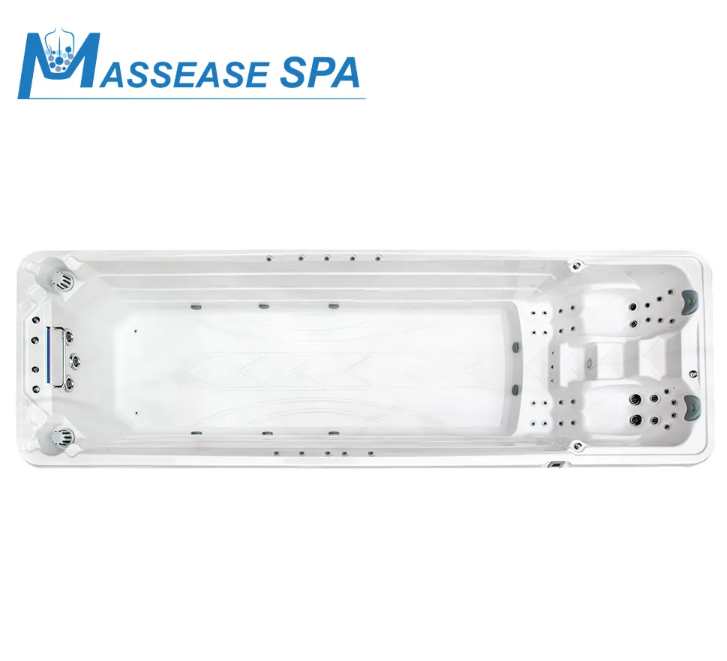
Swim Current Technology: Power, Precision, and Performance
What kind of propulsion system a swim spa has really shapes what it can do in small spaces, turning them into effective aquatic workout areas. There are basically three main types of drive systems available these days: jets, propellers, and paddlewheels, each catering to different kinds of exercise needs. Jet systems that push out over 1,100 gallons per minute create strong, focused resistance that's great for swimmers who want to boost their speed and stamina. Paddlewheel models produce wider, more even currents across the whole pool area, making them good choices for people doing water aerobics, recovering from injuries, or families wanting casual swims. Propeller-based systems offer something in between when it comes to power consumption and how finely they can adjust the water flow, ranging from zero to about 4 meters per second. When looking at options, think about whether the main purpose will be short bursts of intense swimming, longer distance training sessions, or gentler movements that don't put stress on joints. This consideration helps determine which type of drive system makes the most sense for getting maximum benefit out of the equipment over time.
Jets, Propellers, and Paddlewheels: Matching Drive Systems to Your Fitness Goals
When it comes to intense training focused on specific strokes, jet systems really stand out. The top-of-the-line models typically come with around eight different speed options plus some pretty good control over water pressure. Propeller systems work differently though they use those heavy-duty marine turbines to push about 40 percent more water through compared to regular jets. This actually makes for much calmer water conditions so swimmers can go longer without getting disrupted during their freestyle routines. Paddlewheel setups create broader patterns that stay steady throughout the pool area, although they do eat up roughly 15 to maybe even 20 percent extra power when compared to propellers. Competitive swimmers often prefer dual propeller arrangements since these provide that kind of resistance seen at Olympic levels. Some newer pools are also installing mixed systems combining jets and propellers which gives coaches and athletes the ability to toggle between gentle recovery sessions and full-blown training mode depending on what's needed for each day's workout.
Laminar Flow Engineering for Natural Swimming Motion and Stroke Efficiency
Nozzles designed with ideas from aerospace fluid dynamics tackle those annoying turbulent dead spots in pools, creating a nice smooth current about 1.5 meters wide that actually feels like swimming in open water. The Aquatic Exercise Association reported last year that these laminar flow systems can cut down on shoulder strain around 30% compared to older models because they keep water pressure steady throughout each stroke. What makes them work so well? Let's look at some of the main improvements that have changed how aquatic facilities operate today.
- Variable-width flow (1–1.5 m), adapting to different stroke techniques and user statures
- 45-degree angled nozzles, positioning swimmers for optimal biomechanical alignment
-
Flow-straightening vanes, cutting cross-currents by 70%
This engineering minimizes drag inconsistencies, supporting proper body position and rhythm—extending effective swimming duration by 27%.
Dual-Temperature Zones: Optimizing Year-Round Swim Spa Utility
How Independent Heating Zones Enable Concurrent Swimming and Hydrotherapy
Swim spas with dual temperatures come equipped with separate heating systems that keep two different areas at their own set points. One side stays cool enough for swimming, usually around 82 to 86 degrees Fahrenheit, while the other heats up nicely for therapy sessions, sometimes reaching all the way to 104 degrees. There's actually a wall between them so the heat doesn't mix, which means people can swim on one end while someone else relaxes in the hot part at the same time. This setup works best in bigger models that measure over 17 feet long. These larger units typically need special electrical hookups, about 100 amps worth, to handle running both sections properly throughout the whole year. What makes these spas really useful is how they let families make good use of their backyard without having to choose between staying fit or getting some serious relaxation time. Everyone gets what they need without anyone feeling left out.
Hydromassage and Recovery Capabilities in a Swim Spa
Swim spas offer focused hydrotherapy thanks to jets positioned just right to ease muscle tightness and speed up recovery after workouts. The warm water, typically between 100 and 104 degrees Fahrenheit, actually takes pressure off joints by around 90% because of how buoyancy works. That makes these pools really good for people dealing with arthritis, recovering from surgery, or managing ongoing pain issues. When we combine heat therapy with those mechanical jet effects, there are real physical improvements that can be measured over time.
- 25–50% increase in localized blood circulation during sessions
- Measurable reduction in cortisol levels, supporting stress resilience
- Improved joint mobility and reduced stiffness
- Enhanced sleep quality via neuromuscular relaxation
The programming options allow people to pick different jet settings ranging from soft pulses good for everyday upkeep all the way up to intense massage sequences that help sore muscles recover after workouts. What sets swim spas apart from regular hot tubs is their ability to keep distinct temperature areas running at once. Athletes can start off in cooler water to work on muscle conditioning then switch over to warmer sections later on for relaxation and healing during the same workout session. This setup actually transforms what would normally be just resting time into something productive for body recovery at the cellular level.
Energy Efficiency, Insulation, and Low-Maintenance Operation
Full-Foam vs. Reflective Insulation: Real-World Impact on Heat Retention and Swim Spa Running Costs
When we talk about full foam insulation, what we're really looking at is a system where the whole tank gets wrapped in thick polyurethane material. This basically eliminates those pesky air pockets that let heat escape through conduction and convection. Works wonders in colder areas actually, keeping water temps stable while using way less power overall. Then there's reflective insulation which relies on multiple layers of radiant barriers to reflect heat back into the water itself. The good news here is it's thinner and much easier to get at when plumbers need to work on pipes, but bad news is it usually needs extra sealing during winter months to stop thermal bridging issues. Real world data shows full foam systems can cut down yearly energy usage somewhere between 25 to 30 percent over standard reflective options. On the flip side, reflective insulation tends to be simpler to maintain long term since its modular nature makes repairs quicker and cheaper. For installations that run all year round in milder climates, many installers go with a mixed approach these days. They'll apply full foam insulation to the main tank area but leave reflective panels around service points where access matters most. This gives pretty decent thermal protection without sacrificing too much when it comes to future maintenance needs.