 EN
EN

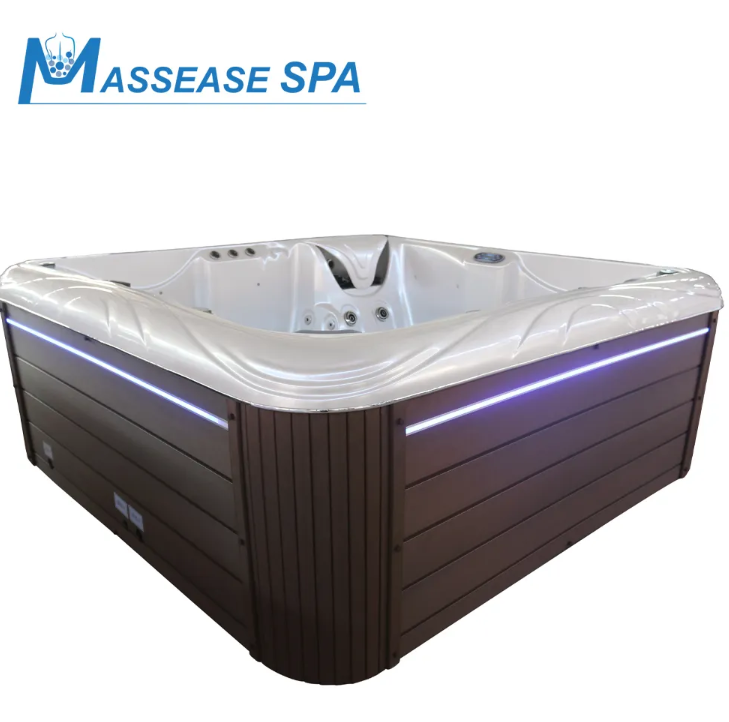
Freestanding Bath Tub Styles as Luxury Centerpieces
Sculptural and Artistic Freestanding Bath Tub Designs
Premium Materials for Bath Tub Elegance: Matte Black, Copper, and Composite Stone
Material innovation drives contemporary elegance, with three finishes dominating luxury interiors:
- Matte black: Offers dramatic contrast against light surfaces while resisting fingerprints
- Copper: Develops a unique patina over time, adding warm, living character
- Composite stone: Mimics natural materials like marble or granite with 40% less weight
Premium options focus on both how things feel and look while still holding up over time. Take matte finishes for instance they cut down on those annoying water spots by around 30% when compared to shiny surfaces. We're seeing more people interested in materials these days, and there's good reason behind it. About two thirds of homeowners now see their bathtub not just as something that gets the job done but actually as part of their everyday wellness routine. It's becoming less about function alone and more about creating spaces that genuinely enhance our lives.
Wellness-Oriented Bath Tub Features for Spa-Like Relaxation
Deep-Soak and Japanese-Inspired Bath Tub Forms for Therapeutic Immersion
A good deep soaking tub turns regular bath time into something almost spa-like, letting people immerse their whole body in warm water. These tubs take inspiration from traditional Japanese ofuro baths, with tall sides and smaller footprints that help retain heat better than standard tubs. Most models hold about 18 to 24 inches of water, which is deep enough for proper submersion without being dangerous. When someone floats in there, they actually feel much lighter since buoyancy can cut down on perceived body weight by around 90 percent according to some studies from the CDC back in 2023. The shape of these tubs also matters a lot for comfort, as they're designed to cradle the spine naturally. And those overflow drains aren't just decorative either they keep the water level steady and prevent accidents. People who spend about twenty minutes soaking in water between 100 and 104 degrees Fahrenheit often report feeling calmer afterward. Tests have even shown this kind of soak can bring down stress hormones called cortisol by roughly a quarter, making these tubs pretty valuable additions to today's busy households.
Smart Wellness Upgrades: Heated Backrests, Chromotherapy, and Silent Jet Systems
Modern bathtubs come packed with smart tech that turns ordinary bathrooms into personal relaxation zones. The heated backrest keeps things comfortably warm while soaking for long periods, which helps avoid those sudden temperature changes that can be shocking to the body. For color therapy, some tubs have LED lights set to specific wavelengths blue at around 470nm creates a calming effect, while amber at about 590nm gives an energy boost. According to research published by the Lighting Research Center last year, most people who tried this reported feeling better emotionally. Instead of loud pumps, newer hydrotherapy systems use quiet jets that create tiny oxygen-rich bubbles for targeted massage points. All these features work together in what manufacturers call Automated Therapy Sequences or ATS for short. They mix different elements like warmth, lighting effects, and gentle water pressure all while keeping background noise below 45 decibels so it doesn't interfere with relaxing.
Space-Smart Bath Tub Solutions for Compact and Real-World Bathrooms
Corner, Alcove, and Wet Room Bath Tub Layouts That Maximize Functionality
Putting the tub in the right spot can make all the difference for small bathrooms. Installing it in corners grabs back those awkward triangle spaces nobody really uses. Some recessed alcoves fit right into the wall, combining shower and bath functions without taking up much room at all. Wet rooms take this concept even further by removing walls completely and creating totally waterproof areas where both tub and shower drain together. According to some studies on how we perceive space (though I wonder if everyone actually feels this way), these open concepts can make a bathroom seem almost 40% bigger. Glass panels between sections work better than heavy curtains because they let light through and keep things looking spacious. Adding built-in shelves directly into the tub area or nearby walls cuts down on messy fixtures. And modern tubs don't need deep soaking areas anymore either. Many models now have shallow depths around 12-15 inches which works great for homes with lower ceilings. So yes, getting luxurious doesn't mean compromising on practical space issues when designing today's bathrooms.
Architectural Integration: Elevating the Bath Tub Within Modern Bathroom Design
Today's modern bathrooms see bathtubs not just as something practical but as actual design features worth highlighting. Smart bathroom designs often put freestanding tubs right in the middle of things. Some folks place them by big windows so they can enjoy the view while soaking. Others lift theirs onto built-in platforms to create that dramatic effect. There are even cases where tubs get tucked into specially made woodwork to blend everything together nicely. When installed properly, these tubs become part of the overall look rather than sticking out like an afterthought. They serve their purpose well while also looking great. For smaller bathrooms, there are still options that keep this design approach alive. Alcove setups work pretty well, and some people go all out with wet room styles where the tub flows right into the floor and walls without any visible boundaries between them.