 EN
EN

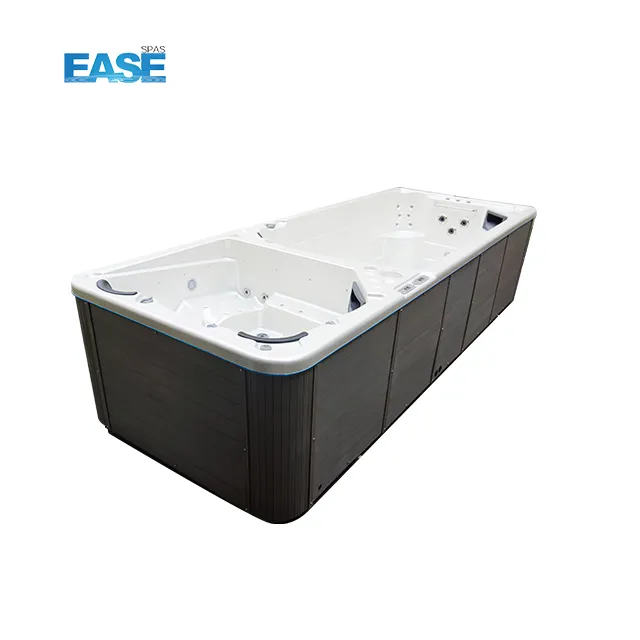
How a Swim Spa Integrates Swimming and Hydrotherapy Functionality
Adjustable Water Current for Continuous Swimming in Place
Swim spas have these strong propulsion systems that create adjustable water currents, letting people swim nonstop without needing much room. The resistance settings can actually be adjusted based on how fit someone is. Beginners get nice gentle flows while serious athletes might face currents going over 3 meters per second, which feels pretty close to what top swimmers train in. No need for those big old lap pools anymore since swim spas give full body workouts but put about 90% less stress on joints compared to working out on solid ground. Plus, most models come with laminar flow technology that keeps the water moving smoothly without all that turbulence, helping swimmers maintain better form and work muscles evenly during their sessions.
Targeted Hydrotherapy Jets and Precision Temperature Control
The hydrotherapy areas come equipped with jet systems positioned to hit key spots along the spine, shoulders, back muscles, and legs. Users can adjust the jet strength from gentle 5 PSI setting for simple relaxation all the way up to 35 PSI when deeper muscle work is needed. The seats are designed ergonomically so people sit properly during their treatment sessions, which makes the whole experience more effective. Temperature control is handled digitally, keeping things warm around 36 to 38 degrees Celsius (about 96 to 100 Fahrenheit) in the therapy area where blood vessels open up and muscles loosen. Meanwhile, the swimming section stays cooler between 27 and 30 degrees Celsius (roughly 80 to 86 Fahrenheit), making workouts more comfortable. This temperature difference actually follows what sports doctors recommend for getting the most out of both exercise and recovery periods.
Dual-Zone Design: Optimized Separation of Exercise and Therapy Areas
Most swim spas come designed with separate areas inside them, usually around two thirds for actual swimming and the remaining third for those relaxing treatments. This setup keeps things from getting too chaotic when someone wants to really work out in the water versus when they just need to unwind. Imagine one family member going for laps against the jets while another is enjoying a nice back massage from those powerful water jets at the same time. Pretty handy for families, right? Even though these sections are separated, they all share the same filters and cleaning systems so the water stays clean throughout. What makes these units so great for homes is how they pack everything into one space instead of needing a big pool plus a separate hot tub area somewhere else. Saves tons of room without sacrificing any of the fun features people want nowadays.
Physical Health Benefits: Joint Protection, Recovery, and Rehabilitation
90% Reduced Joint Loading Enables Safe, Low-Impact Conditioning
Water's buoyancy cuts down on stress for weight bearing joints by around 90% when compared to exercising on land, which is why swim spas work so well for people looking for gentle exercise options. When someone gets into the water, they basically float, making it possible for folks dealing with arthritis, osteoporosis issues, or those who have trouble moving around to do cardio workouts and build strength without hurting themselves. The water itself provides resistance that actually helps muscles get worked out without putting pressure on the joints. Plus, many modern swim spas come with adjustable current settings that let users gradually increase their workout intensity as they get stronger. For anyone recovering from injuries or trying to stay active despite getting older and experiencing joint problems, these pools offer a great way to keep moving regularly without feeling all that much pain.
Evidence-Based Use in Post-Injury Rehab and Chronic Pain Management
Studies have shown that swim spas can be really helpful for people recovering from injuries or dealing with chronic pain issues. When someone gets into the water, the pressure from all around actually helps blood flow better throughout the body and brings down swelling, which speeds up healing for muscles and tissues after operations or accidents. Soaking in warm water that's around body temperature, about 36 to 38 degrees Celsius, tends to ease those annoying nerve pains associated with problems such as fibromyalgia or sciatica symptoms. Another big plus is how the water provides just enough resistance so patients can slowly regain their mobility without worrying about hurting themselves again. Because of these benefits, many physical therapists now include water exercises as part of their standard recovery programs, often using swim spas specifically to help patients get back to doing what they need to do in daily life over time.
Mental Wellness Advantages: Stress Relief, Anxiety Reduction, and Sleep Enhancement
Getting into warm water for hydrotherapy in a swim spa triggers some pretty amazing changes in the body that fight off chronic stress. The combination of heated water and those focused massage jets actually activates what's called the parasympathetic nervous system, which helps bring down cortisol levels quite a bit – around 25% lower on average based on various hydrotherapy research findings. When this happens, people tend to feel less anxious overall. Their brains get better blood flow too, so thinking becomes clearer. Most folks who try it say they come out feeling refreshed not just physically but also mentally cleared out after their session time. Regular use builds up a kind of inner strength against all those little daily stresses we face every day.
Hydrotherapy-Driven Parasympathetic Activation and Cortisol Regulation
Swim spas bring together buoyancy, warmth, and massage therapy to create conditions that really help calm the nervous system down. When those powerful jets target tight muscles, they actually signal the brain's amygdala to slow things down, which can drop heart rates somewhere between 10 and 15 beats each minute. At the same time, the warm water gets blood vessels to expand, so more oxygen makes its way to the brain. Most people who stick with regular sessions find their anxiety levels go down noticeably after about three weeks of consistent use. The numbers back this up too, with around 78% of regular swimmers reporting these benefits over time, which definitely supports better emotional health in the long run.
Consistent Evening Swim Spa Use Improves Sleep Onset by 37% (2023 Study)
In a recent 2023 study looking at sleep patterns, people who spent 25 minutes in a swim spa each evening fell asleep significantly faster than others not using one. Scientists think this has something to do with how water therapy affects body heat and the hormone melatonin. When someone gets into warm water then cools down quickly afterward, it seems to match what our bodies naturally do when we're ready for bed. Plus, stress hormones like cortisol drop during these sessions, which helps us actually fall asleep instead of lying there wide awake. The improvements kept building too. After sticking with nightly swim spa sessions for two months straight, participants were sleeping much better overall, with their sleep quality jumping by around half compared to where they started. Regular use clearly makes a difference over time for getting proper rest.
Swim Spa as a High-Efficiency Home Fitness Solution
Swim spas bring together all sorts of fitness gear and recovery features in one compact package that doesn't take up much room at all. Traditional pools need a lot of space, but these units can fit even in smaller backyards and work just fine through all seasons since they control their own temperature. No need to drive anywhere else for workouts or physical therapy anymore. The adjustable water current lets people tailor their cardio exercises however they want, and there are built-in jets that help muscles recover right after exercising. Going from working out to getting sore muscles soothed happens automatically in these systems, which saves tons of time compared to switching between different equipment. People who have them at home tend to actually use them way more often than folks who depend on outside gyms or clinics. Some studies show owners get about 30 percent more workouts per week when they have this kind of setup available anytime. Putting aquatic exercise, ways to prevent injuries, and simple relaxation together in one energy saving machine turns ordinary living spaces into something closer to a full blown wellness center.
Why Home-Based Swim Spa Access Drives Better Therapeutic Adherence
Eliminating Travel Barriers Increases Weekly Therapy Compliance by 68%
Having a swim spa at home takes away those annoying barriers that usually get in the way of regular therapy sessions. The National Center for Aquatic Therapy found something pretty interesting back in their 2023 study on facility transitions. They discovered that cutting out the drive to therapy was actually responsible for about a two-thirds boost in how often people stick with their treatment plans. Makes sense really when you think about it. If someone can just walk right into their own backyard pool instead of fighting traffic or waiting for parking spots, they're going to show up more consistently. And this matters a lot for folks dealing with ongoing pain issues or recovering from injuries where consistency is everything. Looking at actual numbers from everyday users tells the same story. People who have home spas typically manage around four and a half sessions per week while those relying on outside centers only make it about once and a half times weekly. More frequent visits mean quicker healing and better results down the road. Basically, making therapy easier to access helps turn good intentions into real improvements in health.
FAQ Section
What is a swim spa?
A swim spa is a compact pool that combines the benefits of a swimming pool and a hot tub, allowing for both exercise and hydrotherapy within the same unit.
How do swim spas help with joint pain?
Swim spas reduce joint stress by about 90% due to water buoyancy, making them a gentle exercise option for individuals with arthritis or mobility restrictions.
Can swim spas be used for rehabilitation?
Yes, swim spas are effective for rehabilitation due to their ability to improve blood circulation, reduce swelling, and offer resistance that aids in gradually regaining mobility without additional injury.
What distinguishes swim spas from traditional pools?
Unlike traditional pools, swim spas offer adjustable water currents for endless swimming and hydrotherapy features for targeted muscle relaxation, all in a compact design ideal for smaller spaces.
How can a swim spa improve sleep?
Using a swim spa in the evening can improve sleep by reducing stress hormones and adjusting body temperature, helping to signal the body that it's time to sleep.
Table of Contents
- How a Swim Spa Integrates Swimming and Hydrotherapy Functionality
- Physical Health Benefits: Joint Protection, Recovery, and Rehabilitation
- Mental Wellness Advantages: Stress Relief, Anxiety Reduction, and Sleep Enhancement
- Swim Spa as a High-Efficiency Home Fitness Solution
- Why Home-Based Swim Spa Access Drives Better Therapeutic Adherence
- FAQ Section