 EN
EN

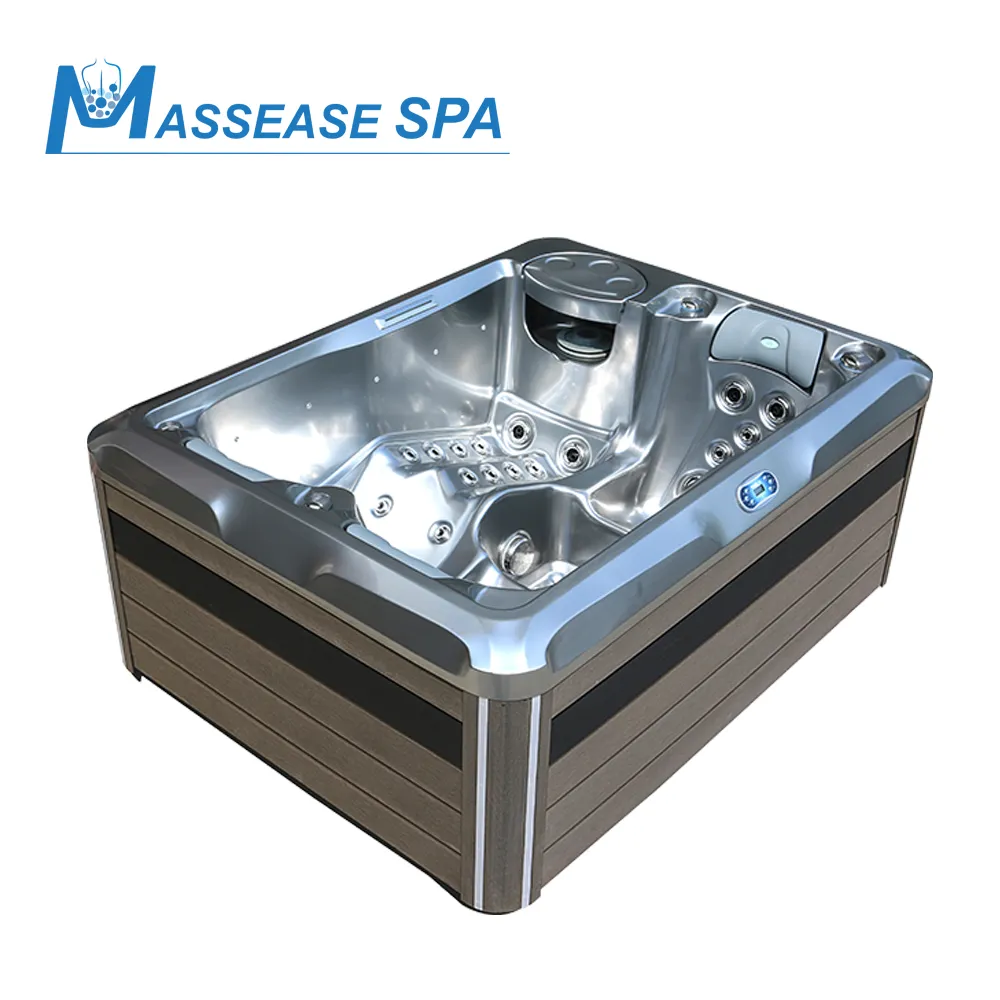
What Is a Swim Spa? Understanding Its Dual-Function Design
Swim Spa Definition: A Single-Unit Fusion of Swimming Current and Hot Tub Hydrotherapy
A swim spa integrates aquatic exercise and therapeutic relaxation into one compact, self-contained unit. Unlike traditional pools, it uses a propulsion system to generate an adjustable swim current—enabling stationary swimming or water jogging—while the opposite end houses heated hydrotherapy seating with targeted jets. This dual-function design eliminates the need for separate installations and delivers both vigorous cardio and deep muscle recovery. Independent temperature control in each zone allows users to optimize conditions for performance (cooler water) or recovery (warmer water), supporting seamless transitions between activity and rest.
Dual-Zone Engineering: How Independent Swim and Soak Areas Enable Simultaneous Use
Advanced models feature physically partitioned swim and therapy zones, often separated by a structural barrier. This design enables:
- Concurrent use—for example, one person swimming while others soak
- Activity-specific water depths: deeper in the swim zone for stroke mechanics, shallower in the therapy zone for seated jet access
- Purpose-built jet systems: laminar-flow currents for resistance training versus pulsating, adjustable streams for neuromuscular release
Independent circulation systems maintain ideal water quality, temperature, and flow dynamics in each zone—maximizing functional versatility without compromise, especially in space-constrained environments.
Swim Spa Fitness Benefits: Low-Impact Cardio and Strength Training
Swim spas support comprehensive fitness through engineered water dynamics—delivering effective cardiovascular conditioning and functional strength development in a single, joint-friendly environment.
Continuous Swim Currents for Effective Aquatic Cardio Without Pool-Space Limitations
Propulsion systems generate customizable currents—up to 2.5 m/s—allowing users to swim in place against variable resistance. This replicates open-water swimming without requiring Olympic-sized infrastructure. Water buoyancy reduces joint impact by up to 90% compared to land-based cardio, according to peer-reviewed aquatic therapy research. As a result, users can achieve target heart-rate zones equivalent to running while significantly lowering injury risk—making it especially valuable for individuals managing arthritis or recovering from surgery.
Resistance Training and Functional Movement Support in Buoyant, Joint-Friendly Water
Water’s natural density provides approximately 12 times more resistance than air, enabling progressive strength training without weights or equipment. Hydrodynamic forces engage core stabilizers during functional movements like aquatic lunges or cross-country skiing patterns. The near-weightless environment supports full-range motion for users with mobility limitations, while warm water (32–38°C) enhances tissue elasticity and blood flow. Clinical studies show water-based resistance training improves functional capacity by 24% in adults with osteoarthritis—outperforming land-based equivalents.
| Training Type | Impact Level | Calorie Burn (30 min) | Primary Benefit |
|---|---|---|---|
| Swim Current | Ultra-low | 250–400 kcal | Cardiovascular endurance |
| Water Resistance | Low | 200–350 kcal | Muscle toning & joint rehabilitation |
Swim Spa Recovery & Therapeutic Advantages: From Stress Relief to Clinical Rehabilitation
Hydrotherapy Mechanisms: Warm Water Immersion, Jet Therapy, and Cortisol Reduction
Warm water immersion elevates peripheral blood circulation by 15–20%, relaxing muscles and reducing mechanical stress on joints—documented in the Journal of Rehabilitation Medicine (2023). Targeted jet therapy delivers adjustable pressure to specific musculoskeletal areas, triggering parasympathetic responses that lower cortisol—the body’s primary stress hormone—by an average of 25%, per the Hydrotherapy Association (2023). Together, these mechanisms transform passive soaking into active neuromuscular rehabilitation, offering non-pharmacological support grounded in physiology.
Evidence-Based Applications for Arthritis, Post-Surgical Recovery, and Chronic Pain Management
Clinical evidence confirms swim spa hydrotherapy improves functional mobility for 89% of arthritis patients, largely due to buoyancy-assisted movement that preserves joint integrity (Arthritis Foundation, 2023). In post-surgical rehabilitation, the controlled aquatic environment accelerates safe strength reacquisition—reducing re-injury risk by 40% versus land-based protocols. For chronic pain, weekly sessions combining warm immersion and resistance jet therapy extend average pain relief duration by 30%, aligning with CDC-recommended non-opioid strategies for long-term pain management.
Year-Round Swim Spa Integration: Seamless Transition Between Exercise and Relaxation
Swim spas deliver consistent wellness across all seasons—unlike conventional pools limited by climate. Precision temperature controls maintain distinct optimal ranges: 78–85°F (26–29°C) for efficient aquatic exercise and 100–104°F (38–40°C) for hydrotherapeutic soaking. This enables morning swim workouts before winter frost lifts—and evening jet therapy during summer heatwaves—without facility switching or scheduling friction. Users can conclude resistance training against the swim current and immediately transition to targeted massage in the integrated soak zone, where hydrostatic pressure supports faster cortisol reduction than land-based recovery methods. That fluid integration sustains routine adherence year-round—particularly impactful for arthritis management, where 84% of regular users report consistent, clinically meaningful pain relief through daily combination use.
Frequently Asked Questions
What is the primary function of a swim spa?
A swim spa is designed to offer both aquatic exercise with an adjustable swimming current and therapeutic relaxation through hydrotherapy jets in a self-contained unit.
How does the swim spa's dual-zone engineering work?
Dual-zone engineering allows for partitioned areas—one for swimming with deeper water and laminar currents, and another for hydrotherapy with jets and shallower water—enabling simultaneous use.
Can swim spas improve fitness and rehabilitation?
Yes, swim spas provide low-impact cardio and resistance training that supports fitness goals and accelerate recovery for individuals with arthritis, mobility issues, and post-surgical conditions.
Are swim spas suitable for year-round use?
Absolutely! Swim spas offer precision temperature control for optimal swimming and soaking conditions, making them ideal for exercise and relaxation in any season.
How do swim spas benefit chronic pain or arthritis sufferers?
Swim spas reduce joint stress through buoyancy-assisted movement and warm water hydrotherapy, which improve mobility and provide lasting relief from pain.
Table of Contents
- What Is a Swim Spa? Understanding Its Dual-Function Design
- Swim Spa Fitness Benefits: Low-Impact Cardio and Strength Training
- Swim Spa Recovery & Therapeutic Advantages: From Stress Relief to Clinical Rehabilitation
- Year-Round Swim Spa Integration: Seamless Transition Between Exercise and Relaxation
- Frequently Asked Questions