 EN
EN

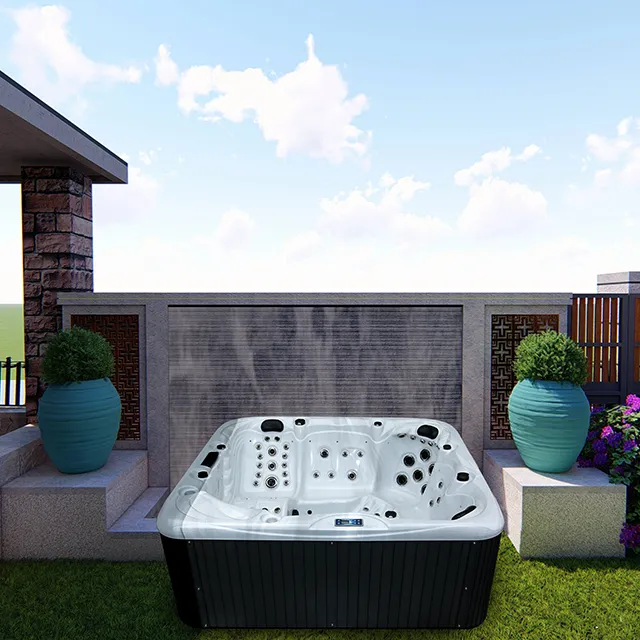
Core Materials That Define Weather Resistance in Outdoor Hot Tubs
Acrylic vs. HDPE Shells: UV Stability, Freeze-Thaw Resilience, and Long-Term Structural Integrity
Shell materials serve as the primary barrier against years of harsh sunlight and brutal winter weather. Acrylic stands out when it comes to resisting UV damage thanks to those built-in inhibitors that stop about 95-98% of solar degradation. This helps maintain vibrant colors and glossy finishes far better than many other options on the market today. However there's a downside to acrylic in areas where temperatures fluctuate between freezing and thawing repeatedly. When water gets trapped inside, it expands during freezes and creates tiny cracks that slowly weaken the material over time. High density polyethylene (HDPE) tells a different story though. This stuff adapts really well to temperature changes because it can absorb expansion pressures without actually cracking. Tests show HDPE shells survive around 150 freeze-thaw cycles without any structural issues at all, which beats acrylic's typical performance of about 50 cycles. Plus HDPE has great impact resistance too, so it doesn't dent easily from flying debris or accidental bumps and knocks.
Corrosion-Proof Framing: Why Stainless Steel Outperforms Galvanized Steel in Coastal and Humid Climates
The frame of a hot tub needs to stay strong even when constantly exposed to moisture and salt. Galvanized steel isn't really cut out for this job because the protective zinc coating wears away fast in places with lots of humidity or salty air from the coast. Industry reports actually show that many hot tub frames start showing rust spots after just 18 months near beachfront homes, which can reduce their strength by as much as 40%. Stainless steel is a better choice though. It doesn't have the same problem because chromium in the metal creates a natural barrier against corrosion that keeps repairing itself over time.
| Material Property | Galvanized Steel | Stainless Steel |
|---|---|---|
| Corrosion Resistance | 2–5 years | 15+ years |
| Humid Climate Score | 6/10 (Moderate Failure) | 10/10 (No Failure) |
| Salt Exposure Impact | Severe pitting | Surface passivation |
This inherent resilience cuts long-term maintenance costs by 65% over a decade and ensures stable performance across extremes—from Florida’s monsoon humidity to Great Lakes winter freeze-thaw cycles.
Thermal Performance Engineering for Energy-Efficient Outdoor Hot Tubs
Full-Foam Insulation: How Uniform Coverage Reduces Heat Loss by Up to 40% in Cold, Humid Conditions
When full foam encapsulation is used, the high density polyurethane expands evenly around pipes and exterior surfaces, making it the gold standard for keeping buildings warm outdoors. This method creates a continuous layer without gaps, unlike regular insulation sections that leave spaces for heat to escape. That matters a lot in places with cold winters and lots of moisture because water speeds up how fast heat moves through materials. Independent tests show these systems cut down on wasted energy when not actively heating by as much as 40 percent over models without proper insulation. For folks living in areas like Minnesota or Wisconsin where temperatures regularly drop below freezing and the air stays damp most of the time, this kind of insulation makes all the difference in maintaining comfort levels without breaking the bank on heating bills.
Eliminating Thermal Bridging: Cabinet Design Innovations That Preserve Heat and Prevent Condensation
When heat escapes through those direct conductive paths between inside and outside cabinet surfaces, we get what's called thermal bridging. And this problem really messes with how well insulation works, plus it brings along unwanted condensation issues. The best designs out there fight back against this with these clever interlocking polymer panels combined with special gaskets filled with aerogel material. What happens is these materials basically break up the continuous path for heat transfer, so cabinet surfaces stay above the dew point temperature even when humidity hits around 95%. Some actual testing done down in coastal Florida where temperatures reach about 85 degrees Fahrenheit and humidity stays high at around 90% shows these systems cut down on cabinet heat loss somewhere around 32%. More importantly, they stop moisture from building up inside which would otherwise cause components to corrode over time. For anyone dealing with electrical cabinets in humid environments, this makes a world of difference in maintenance costs and equipment lifespan.
All-Weather Covers and Sealing Systems for True Outdoor Hot Tub Reliability
Marine-Grade Vinyl Covers with UV-Inhibiting Coatings and Integrated Vapor Barriers
The best outdoor hot tub covers start with marine grade vinyl that's reinforced with polyester threads for better durability against tears and warping. These covers also have special UV protection coatings that stop almost all harmful sunlight from breaking down the material or causing it to fade prematurely compared to regular vinyl options. What really matters though are those built-in vapor barriers that create a solid moisture seal. They keep outside humidity from getting through the cover and soaking up the insulation underneath. With this three layer design, the interior stays dry throughout the seasons while reducing heat loss from evaporation by around 30 to 40 percent each year according to manufacturer tests.
Wind-, Snow-, and Ice-Resistant Sealing: Auto-Latch Mechanisms and Dual-Gasket Technology
Good sealing keeps out whatever might get into that important area where the cover meets the shell. Auto latches help keep things tight even when temperatures go up and down, so there's no need to constantly adjust them when it freezes and thaws. When winter gets really harsh, we use something called dual gasket tech. Basically, there are two silicone barriers lined up around the whole edge. The main one stops water from getting in, and the second one handles snow and ice blown by strong winds. We tested this setup in labs with winds over 50 mph and snow loads reaching 50 pounds per square foot. The result? Buildings stay warmer, cutting heating bills by about 22% when temps drop below freezing.
Real-World Validation: How Top Outdoor Hot Tubs Perform Across Extreme U.S. Climates
The brutal weather conditions found throughout different parts of America actually back up the solid design work put into high quality outdoor hot tubs. Take Arizona's Mojave Desert for instance where those UV stabilized shells really stand their ground against surfaces breaking down even when temps hit 110 degrees Fahrenheit and beyond regularly. And don't forget about the full foam insulation keeping the water warm all night long despite those crazy 40 degree temperature drops from day to night. Out in the Midwest, these tubs handle the repeated freezing below 20 degrees thanks to their stainless steel frames which hold everything together as ice starts expanding around them. For coastal areas dealing with constant salt spray and humidity levels over 80%, special marine grade seals do much better than regular ones - tests show they last three times longer before showing signs of wear. Up north in places that get slammed with snow, the reinforced covers can actually hold up under four feet of heavy wet snow, roughly 40 pounds per square foot. Plus there are built in vapor barriers stopping ice dams from forming. Whether it's sandstorms in Tucson or fierce nor'easters hitting Maine, these hot tubs keep working reliably through all seasons because they're based on good materials science, smart thermal engineering, and actual field testing rather than just theory.
FAQ
What are the advantages of HDPE shells over acrylic shells?
HDPE shells adapt well to temperature changes, surviving up to 150 freeze-thaw cycles compared to acrylic's 50 cycles. They also offer greater impact resistance and do not dent easily.
Why is stainless steel preferred over galvanized steel for hot tub frames?
Stainless steel outperforms galvanized steel in humid and coastal environments due to its natural corrosion resistance, achieved through chromium content, which reduces long-term maintenance costs and improves durability.
How does full foam insulation improve energy efficiency in hot tubs?
Full foam insulation offers uniform coverage, reducing heat loss by up to 40% in cold, humid conditions, thus maintaining comfort levels without escalating heating bills.
What is thermal bridging, and how do cabinet designs address it?
Thermal bridging refers to heat escaping through conductive pathways in cabinets. Innovative designs employ interlocking polymer panels and gaskets filled with aerogel to prevent heat transfer, reducing cabinet heat loss.
How do marine-grade vinyl covers protect hot tubs?
Marine-grade vinyl covers, reinforced with polyester threads, offer UV protection and built-in vapor barriers that reduce heat loss through evaporation and prevent humidity from reaching insulation.
Table of Contents
- Core Materials That Define Weather Resistance in Outdoor Hot Tubs
- Thermal Performance Engineering for Energy-Efficient Outdoor Hot Tubs
- All-Weather Covers and Sealing Systems for True Outdoor Hot Tub Reliability
-
Real-World Validation: How Top Outdoor Hot Tubs Perform Across Extreme U.S. Climates
- FAQ
- What are the advantages of HDPE shells over acrylic shells?
- Why is stainless steel preferred over galvanized steel for hot tub frames?
- How does full foam insulation improve energy efficiency in hot tubs?
- What is thermal bridging, and how do cabinet designs address it?
- How do marine-grade vinyl covers protect hot tubs?