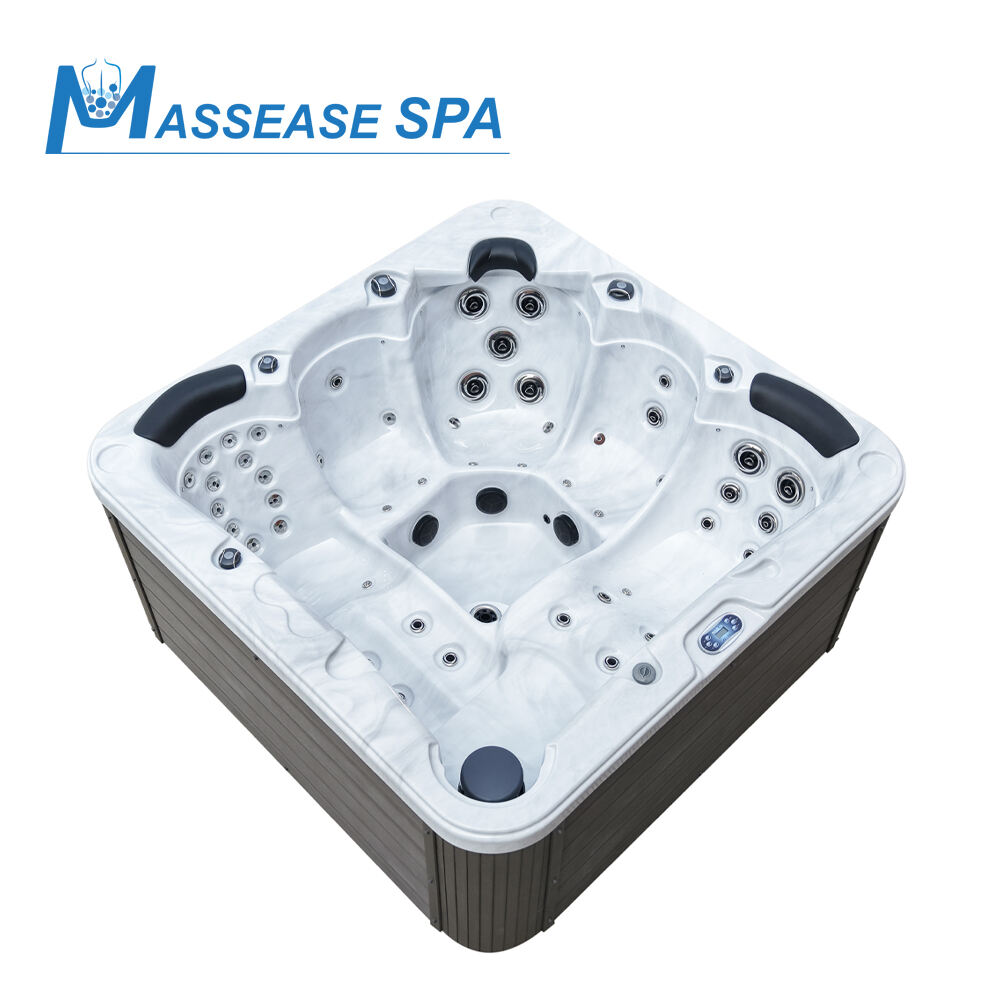
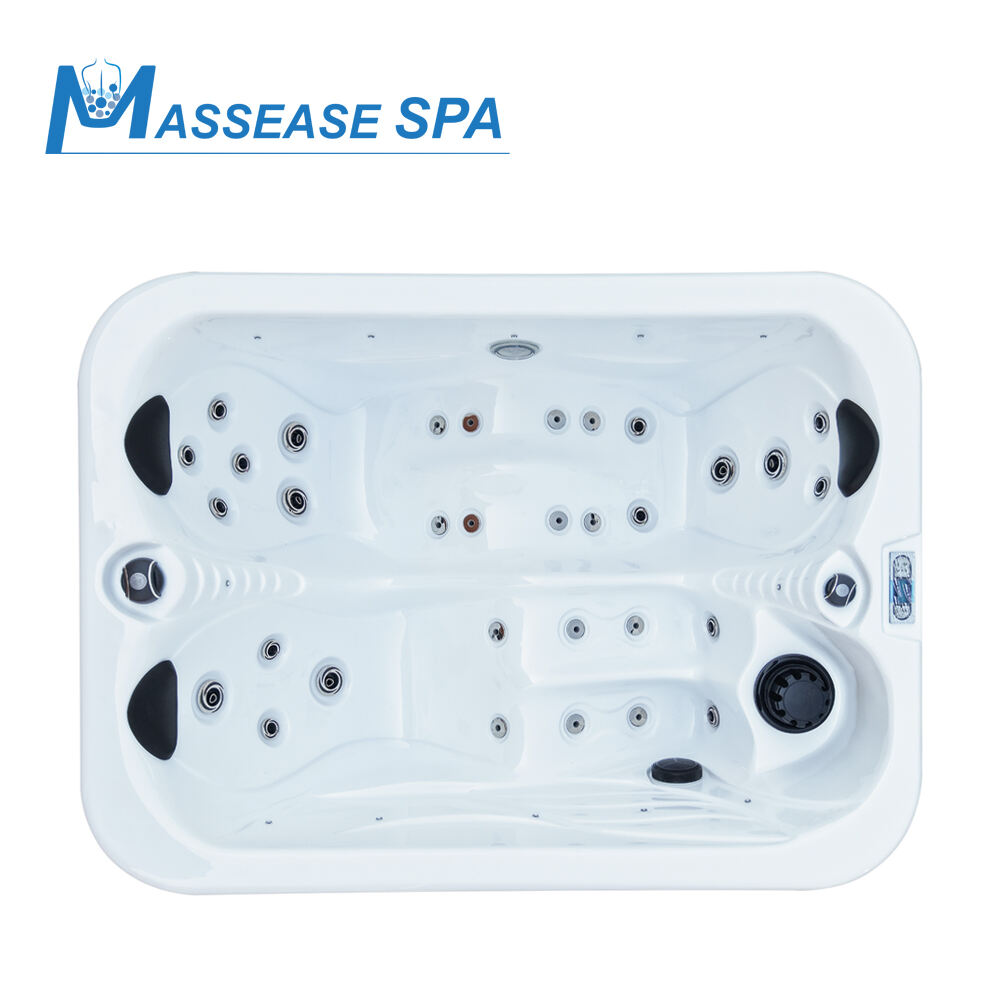
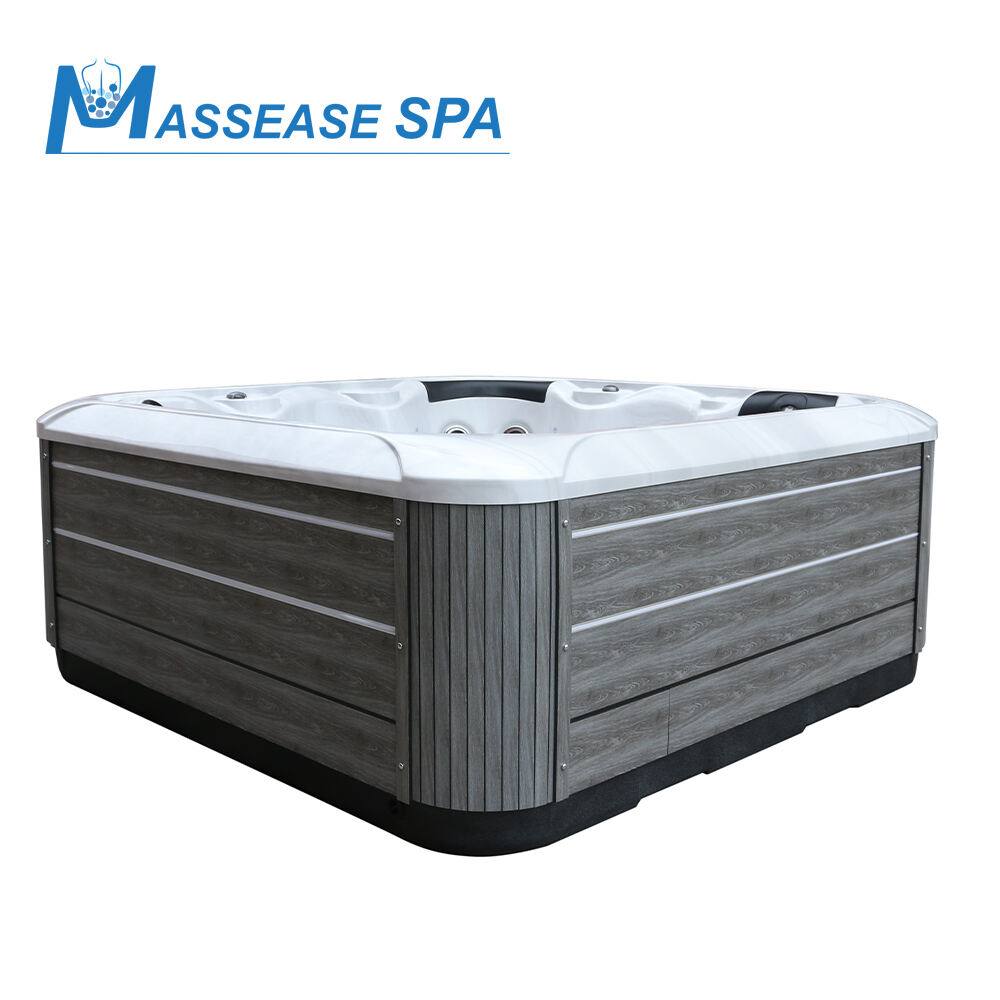
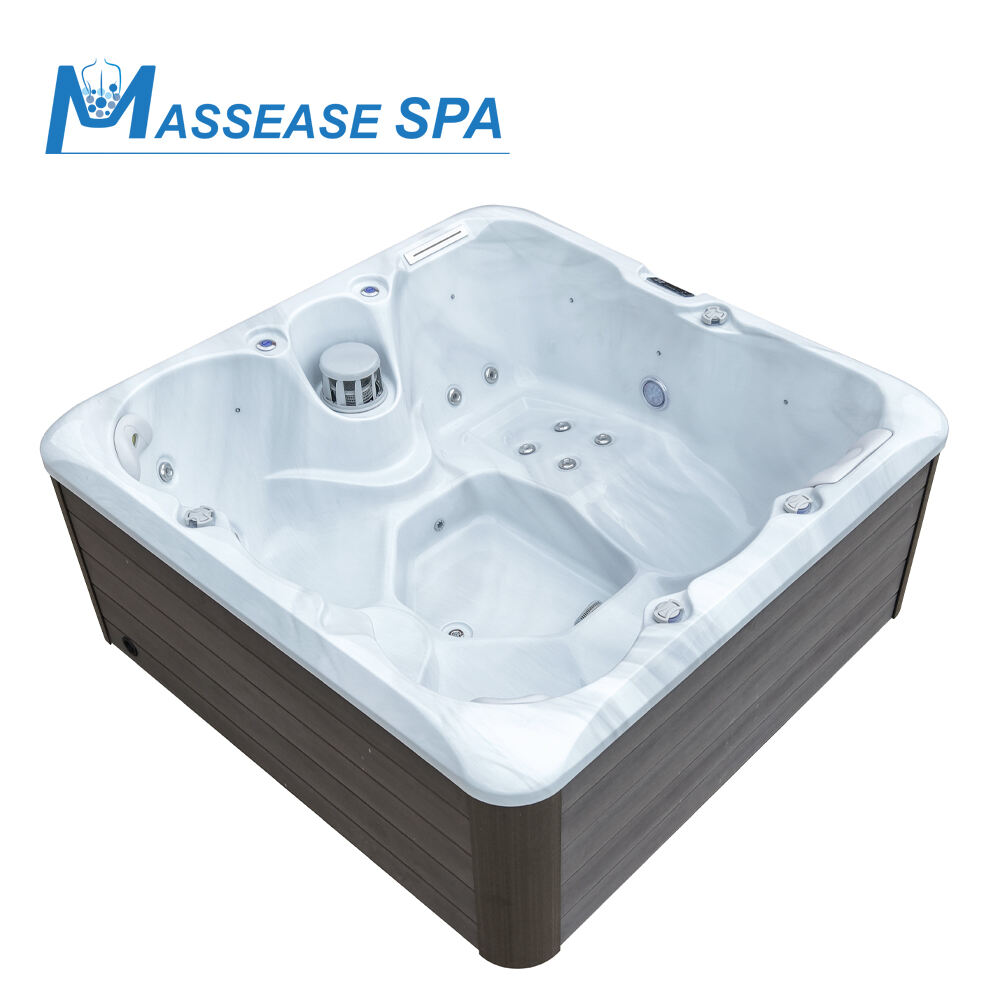
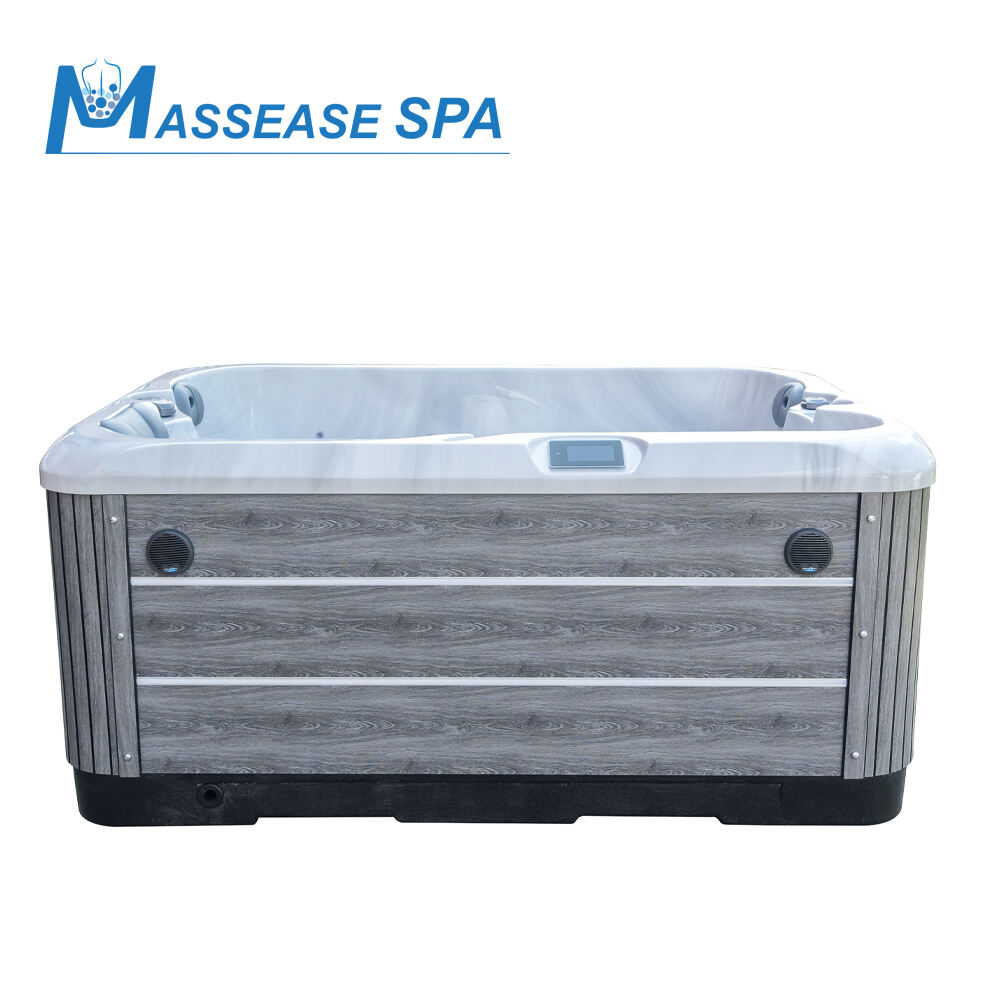
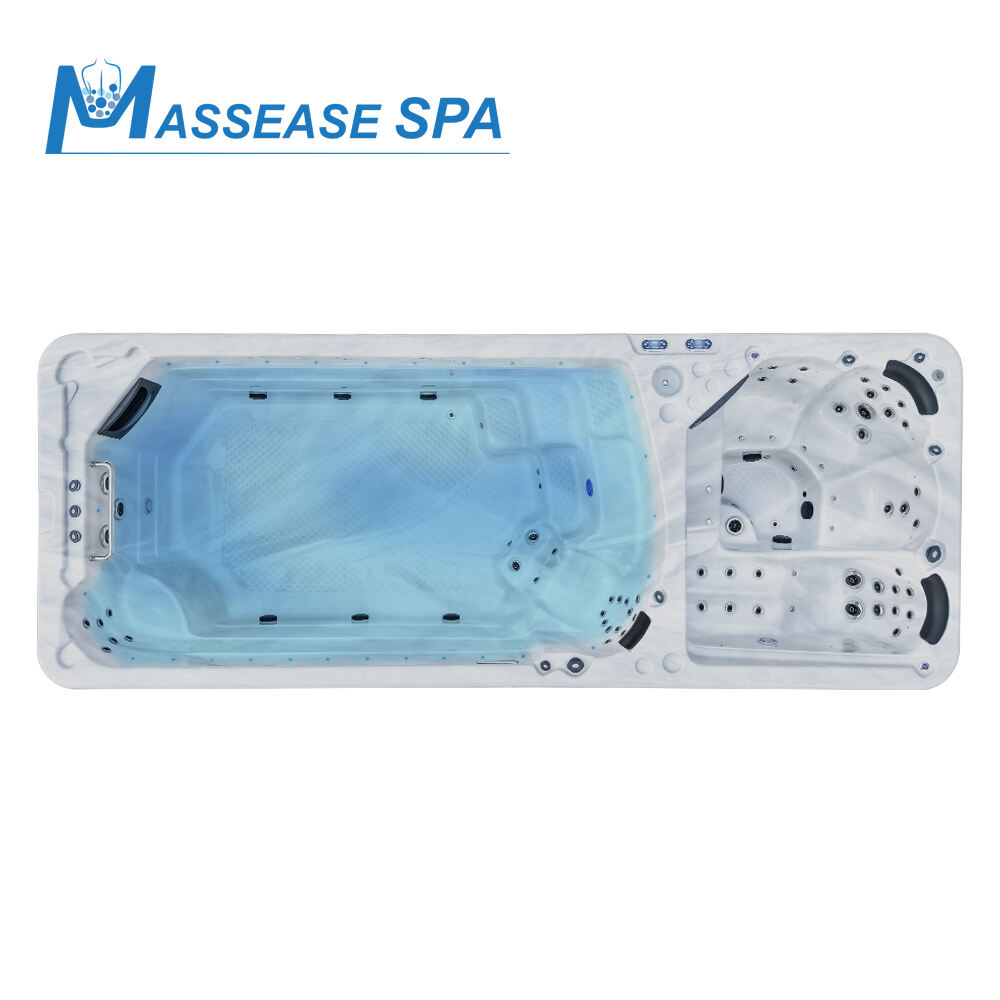
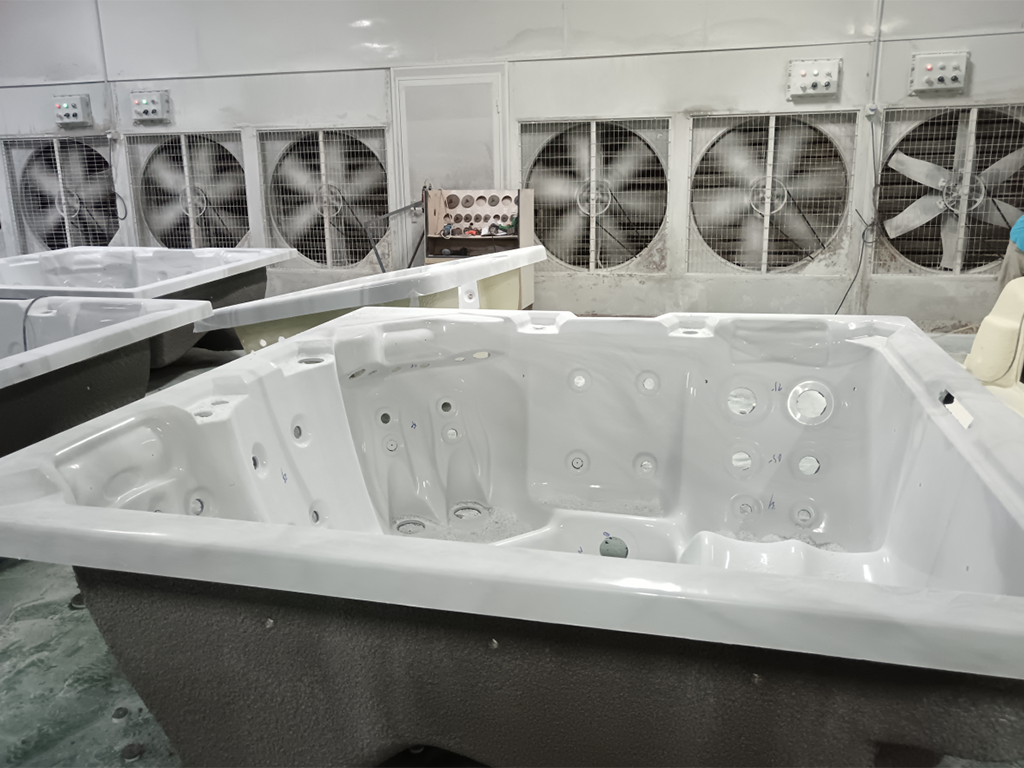
When it comes to hot tub prices, there are basically three main categories each with different balances of what they offer in terms of features, how well they work, and their lasting worth. The cheapest ones usually cost around $3k to $6k and are great for people just getting started because they have about 10 to 20 jets, simple controls, and regular insulation. These work fine if all someone wants is a place to soak without spending too much money upfront. Moving up to mid priced models from $6k to $10k means better therapy benefits and longer life span thanks to roughly 30-50 jets placed where they matter most, better insulation throughout, stronger outer shells, plus some energy efficient options certified by ENERGY STAR. At the top end above $10k we find the real luxury items with over 60 jets carefully positioned for maximum effect, built in smart tech features, tough materials like marine grade acrylic or composites, and heating systems that keep water warm longer as proven through various tests by third parties.
The sticker price doesn't tell the whole story. Getting the site ready usually means pouring a level, load bearing concrete pad somewhere around $500 to $2000. Then there's electricity. Most hot tubs that aren't plug and play need their own 240 volt circuit. Upgrading the electrical system typically runs between eight hundred and three thousand dollars, depending on how big the existing panel is and how far away it sits from the main service box. Monthly expenses for keeping things running smoothly come out to about twenty to fifty bucks for sanitizers, filter replacements, and regular water tests. When it comes time to change all the water every three to four months, expect to use anywhere from four hundred to six hundred gallons each time. Poor insulation makes a real difference too. Some studies show homes without good insulation might see their energy bills jump by as much as forty percent annually. That's why manufacturers have started including full foam or thermal lock systems as standard features in their mid range and higher end models these days.
The under $5k market is mostly taken over by above ground spas because they offer great therapy benefits without needing to dig holes or do any major installations. The best ones out there come with tough materials like marine grade PVC or reinforced polymers, usually have between 20 to 40 adjustable jets for hydrotherapy, and include full foam insulation which can actually cut down running costs by about 30% compared to those cheaper models with minimal insulation. Most are built for around four to six people but still manage to fit in small spaces since their footprint stays below 7 feet by 7 feet. That makes them perfect for backyards, patios, or even tiny outdoor areas where space matters. According to some recent surveys done in 2023, nearly 9 out of 10 owners say their spa runs smoothly for at least five years without issues. When shopping around, keep an eye out for models with ozone purification systems, thermal covers made of multiple layers, and hardware that resists rust these features really help prolong how long the spa lasts while also cutting down on the amount of chemicals needed.
The biggest money savers with plug and play hot tubs? No need for expensive electrical work or site preparation. These tubs run just fine off regular 110 volt outlets found in most homes, which means skipping out on those costly 240 volt installations that can run anywhere from eight hundred to three thousand dollars. Newer models get up to 104 degrees Fahrenheit within two hours thanks to their fast heating systems. They come equipped with digital controls and have those tough triple layer walls that resist punctures pretty well. Monthly electric bills stay reasonable too around fifteen to thirty bucks because of built in filters, timer settings, and energy efficient pumps according to what the US Department of Energy says about similar sized insulated units. When not inflated, these portable spas weigh less than 100 pounds making them great for summer only use, rental properties, or temporary placements while still maintaining all the essential comforts and meeting necessary safety standards.
When it comes to saving money over time, energy efficiency matters far beyond just being good for the environment. Full cabinet foam insulation works wonders at stopping heat from escaping around all those pumps, heaters, and pipes inside equipment cabinets. We're talking about cutting down on thermal losses somewhere between 15% and 25%. Throw in a quality cover made with thick vinyl core material, those neat little tapered edges, plus some kind of vapor barrier lining, and suddenly most of that precious heat stays put instead of slipping away through evaporation or conduction. The numbers get really impressive too – sometimes as much as 90% reduction in heat loss. Then there are these smart control systems that bring another layer of savings. They let operators set heating schedules during off peak hours and adjust temperatures remotely when needed, which means no more wasting energy on heating systems that aren't even in use.
| Feature | Energy Impact | Cost Reduction |
|---|---|---|
| Full-foam insulation | Minimizes heat transfer to surroundings | 15–25% |
| Thermal-lock cover | Blocks evaporative heat loss | 10–20% |
| Smart temperature | Optimizes heating schedules | 5–15% |
Together, these features reliably cut annual operating costs by 30–50% compared to entry-level models—translating to $20–$40 in monthly savings. For context, maintaining a lower “sleep mode” temperature during periods of infrequent use delivers measurable ROI within the first year.
Smart shopping means looking beyond the sticker price when avoiding budget traps. Start by never cutting corners on insulation and cover quality, even if going for a cheaper model. The best performers usually have full foam construction inside and those thermal lock covers that really keep things efficient. Skip these features and expect to pay anywhere from $200 to $500 extra each year just for wasted energy. Next up, don't fall for sales talk alone. Check for real certifications like ENERGY STAR or actual testing results from independent labs rather than trusting what manufacturers claim about their own products. Before making any purchase, take time to check if the location is ready for installation. Many people get hit with unexpected bills later because they didn't realize their electrical system needed upgrades or the floor wasn't level enough. These fixes typically run between $1,200 and $3,000. Lastly, dig into how reliable different models actually are in practice, not just how many stars they have online. Equipment that lasts longer and has good local repair options tends to save money in the long run, with savings around $500 to $1,000 over five years compared to bargain basement alternatives. Factor all this into the decision process and the real value becomes obvious pretty quickly.
Hot tub spas generally fall into three main categories: entry-level ($3,000 to $6,000), mid-range ($6,000 to $10,000), and premium (over $10,000) each offering varying features and benefits.
You should account for costs related to site preparation ($500 to $2,000), electrical upgrades (up to $3,000), and ongoing maintenance including sanitizers and water tests.
Yes, plug-and-play tubs are cost-efficient as they run on regular outlets and require no expensive installations, thereby reducing upfront costs significantly.
Features like full-foam insulation and smart controls can reduce operating costs by 30-50%, saving approximately $20-$40 monthly compared to entry-level models.
Investigate beyond the sticker price, never skimp on insulation or cover quality, check for certifications, and ensure your site is prepared to avoid unforeseen expenses.
 Hot News
2026-03-27
2026-02-05
2026-01-30
2025-10-10
2025-07-18
2025-06-30

 EN
EN