 EN
EN
What Makes a Spa Hot Tub Truly Affordable—Without Compromising Therapy
Defining 'affordable spa hot tub': Price range, core features, and realistic expectations
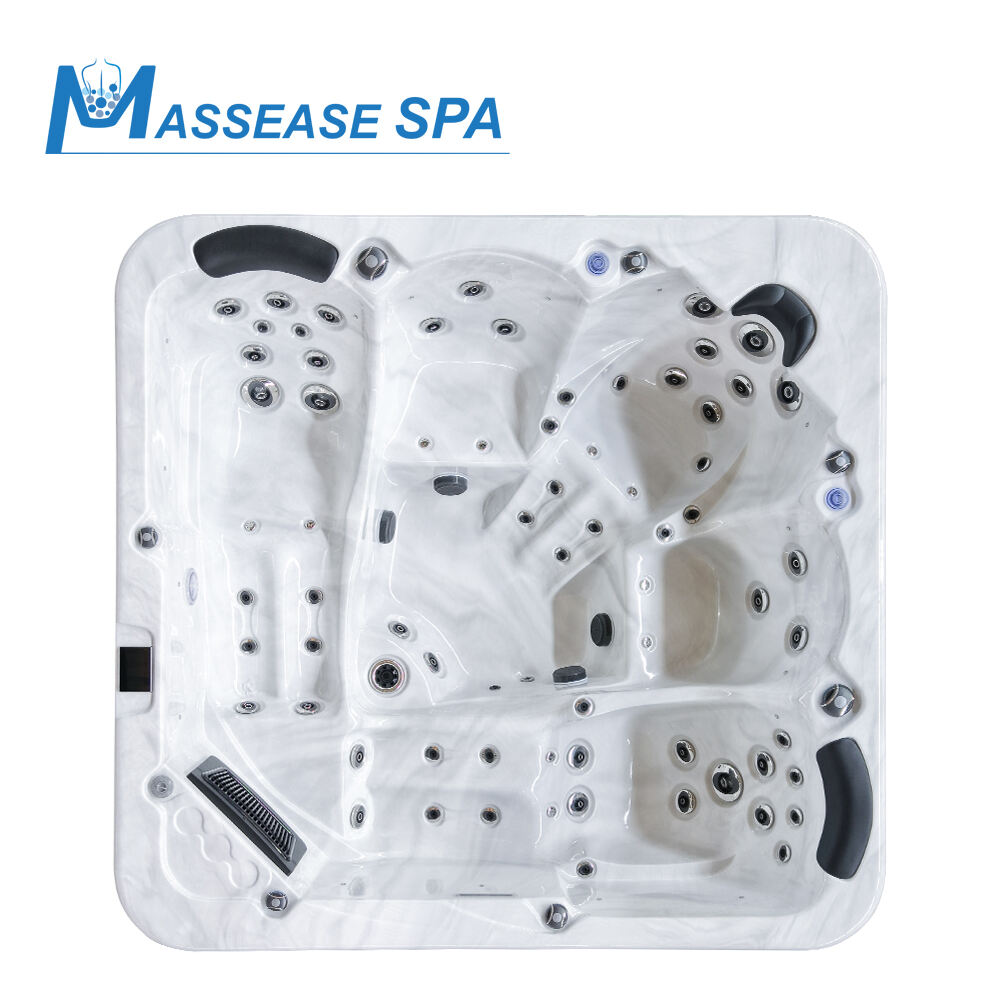
Spa hot tubs that won't break the bank still deliver real therapy benefits, usually costing somewhere around $3k to $7k for basic models. What makes them work? They come packed with hydrotherapy jets, anywhere from about 15 up to maybe 30 depending on size. The insulation keeps running costs down, while the shells are made from tough plastic molded in one piece for lasting durability. Controls are straightforward too, no complicated menus to navigate. Sure, they skip out on fancy bells and whistles like expensive sound systems or cascading waterfalls. But what remains is solid engineering focused on actual healing properties rather than just cutting corners to save money.
Realistic expectations involve simpler aesthetics and manual maintenance routines, not diminished wellness outcomes. As confirmed by 2023 peer-reviewed hydrotherapy research, consistent use of entry-level models delivers cortisol-reduction benefits equivalent to premium units—validating their efficacy as accessible therapeutic tools.
Durability vs. cost: How entry-level spa hot tubs maintain hydrotherapy integrity at $3,000–$7,000
Good entry level hot tubs actually last longer and work better because they focus on quality materials and smart design instead of just cutting corners to save money. The acrylic shells made through rotational molding are much stronger and won't corrode easily, which means these tubs can stick around for about 10 to 15 years without falling apart like those inflatable models tend to do. What really matters for getting good hydrotherapy benefits is not so much how fancy they look but things like having strong water pumps, seats that fit the body properly, and jets placed just right so they target specific areas. Manufacturers know this works best when customers start caring more about actual function than just what looks cool.
| Feature | Premium Model | Entry-Level Equivalent |
|---|---|---|
| Jet pressure | 200 HP | 150 HP |
| Temperature accuracy | ±0.5°F | ±1°F |
| Insulation R-value | R-30 | R-22 |
Thermal locking covers—validated by the U.S. Department of Energy (2022) to cut annual operating costs by $200—further enhance efficiency. The result is clinically relevant pain relief and muscle recovery at 40–60% lower initial investment, delivering 92% of premium units’ physiological impact.
Science-Backed Everyday Wellness Benefits of Regular Spa Hot Tub Use
Stress and anxiety reduction: Cortisol modulation in 15-minute daily soaks
Spending just fifteen minutes each day immersed in water can cut down cortisol levels by around seventeen percent. Cortisol is what our bodies produce when we're stressed out. This dip in stress hormones kicks off something called the parasympathetic nervous system response, similar to what happens during those mindfulness meditation sessions people talk about so much these days. The effect on the body goes further too. Blood pressure drops anywhere from eight to ten points after this kind of exposure. That's actually pretty close to what someone might experience doing some gentle walking or other light exercise for their heart health. When combined with how floating in water naturally relaxes tight muscles, we get a complete package for fighting stress right at home without needing fancy equipment or expensive memberships.
Deeper sleep and muscle recovery: Clinical evidence linking spa hot tub use to restorative physiology
Using these systems in the evening actually helps people get to sleep faster and sleep better because of how our bodies regulate temperature naturally. After soaking, when body temperature goes down, the brain starts making more melatonin - around 20 to 30 percent extra - which means most folks drift off about 15 to 30 minutes quicker than usual. At the same time, getting immersed in water boosts blood circulation to tired muscles by roughly 40 percent, so those annoying lactic acid buildups clear out faster and fresh oxygen gets delivered where it's needed. Studies have found that hydro massage therapy cuts down on that soreness feeling after workouts by about 38 percent compared to just resting without any treatment. That makes it pretty effective for recovering from exercise without needing pills or medications.
Targeted Hydrotherapy: How Spa Hot Tubs Support Pain Relief and Active Recovery
Chronic back pain, arthritis, and post-workout recovery—what jet placement and temperature control deliver
How hot tub jets are placed makes all the difference when turning these spas into actual therapy tools. People suffering from ongoing back problems find relief through specially positioned jets aimed at the lower back area. These jets help take pressure off the spine discs while the warm water around 100 to 104 degrees Fahrenheit works on those tight muscles. Research shows folks often notice better movement after just three weeks of using this regularly. For those dealing with arthritis issues, there are gentler jets focused directly on the joints combined with temperature control between about 98 and 102 degrees. This setup keeps things flexible without causing flare ups. After working out hard, many athletes swear by the pulsing jets that seem to wash away all that lactic acid buildup. The heat also helps blood vessels expand properly so damaged tissues can heal faster naturally.
Key mechanisms include:
- Directional jets releasing specific muscle groups
- Temperature-regulated vasodilation improving oxygenation
- Buoyancy reducing axial joint loading during therapy
This integrated, science-guided approach distinguishes spa hydrotherapy from passive heat modalities—offering repeatable, clinically supported relief for persistent musculoskeletal conditions.
Spa Hot Tubs as Long-Term Lifestyle Investments—Beyond the Purchase Price
Lifetime value comparison: Spa hot tub vs. recurring wellness expenses (gym, massage, physical therapy)
Investing in a good quality spa hot tub actually brings together all those scattered wellness expenses into something lasting over time. Most models last between ten to fifteen years with hardly any maintenance needed, so when we look at the big picture, owning one usually costs less than what people spend yearly on other options. Think about it: gym memberships typically run around $600 each year, regular massages can easily hit $1,200 plus annually, and then there are those physical therapy bills too. The beauty of having hydrotherapy at home is that it's always available whenever someone needs it. No need to book appointments weeks ahead or deal with monthly charges. People can relax after work stress, get better sleep patterns going, and recover from exercise without any hassle. What makes this worth while isn't just saving money though. Regular use builds up physical strength over time while also improving mental well being day after day.
FAQ Section
- What is the approximate cost range for affordable spa hot tubs?
- Affordable spa hot tubs typically cost between $3,000 to $7,000.
- Do spa hot tubs offer benefits similar to premium units?
- Yes, consistent use of entry-level spa hot tubs can provide cortisol-reduction benefits equivalent to premium units.
- What maintenance is required for entry-level spa hot tubs?
- Entry-level spa hot tubs have straightforward controls and typically require manual maintenance routines.
- How do spa hot tubs help in stress reduction?
- Spa hot tubs help reduce stress by lowering cortisol levels, activating the parasympathetic nervous system response, and dropping blood pressure.
- How do spa hot tubs aid in better sleep?
- Spa hot tubs enhance sleep by boosting melatonin production and improving blood circulation, aiding muscle recovery.
Table of Contents
- What Makes a Spa Hot Tub Truly Affordable—Without Compromising Therapy
- Science-Backed Everyday Wellness Benefits of Regular Spa Hot Tub Use
- Targeted Hydrotherapy: How Spa Hot Tubs Support Pain Relief and Active Recovery
- Spa Hot Tubs as Long-Term Lifestyle Investments—Beyond the Purchase Price
- FAQ Section