 EN
EN

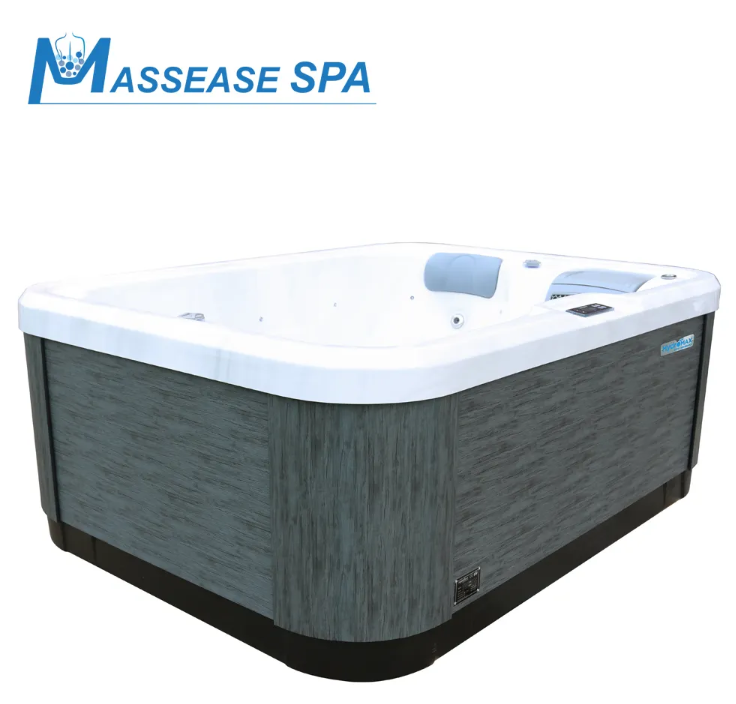
Why Spa Pool Designs Elevate Backyard Wellness and Lifestyle
The Science-Backed Benefits of Combined Hydrotherapy and Recreation
Spa pool hydrotherapy actually works wonders for the body, combining warm water soaks with those focused jets we all love. When floating in there, our joints experience around 90% less pressure than when moving on solid ground, which makes it possible to move comfortably even after tough workouts. The heat from these pools typically ranges between 38 and 40 degrees Celsius, something that really gets blood flowing better and opens up blood vessels too. People who regularly use their spa pools report feeling calmer overall, with some research showing cortisol levels drop about 30% over time. What's interesting is how these backyard oases become mini wellness centers where getting fit doesn't mean sacrificing relaxation anymore. Many folks find they can maintain their exercise routines while still enjoying genuine restorative moments right at home.
How Spa Pool Integration Supports Holistic Health—Physically and Mentally
Spa pools really help people feel better overall because they tackle both body and mind at the same time. The water pressure helps blood flow back to the heart better and can cut down on swelling, while the warm temperature soothes those nagging muscle and joint pains so many folks deal with. When it comes to the brain stuff, the massage jets create this nice rhythm that gets the body releasing happy chemicals called endorphins. Some studies actually found this can lower anxiety signs by about a quarter. Pretty cool, right? Most people who use their spas regularly say they sleep much better too, which makes sense when someone takes time each day just to relax and take care of themselves. This kind of routine builds up inner strength against everyday stresses without needing pills or anything. That's why so many homes now have these little retreats built in somewhere – they're just good for keeping everyone healthy over time.
Architectural Strategies for Seamless Spa Pool Integration
Indoor-Outdoor Flow: Materials, Sightlines, and Threshold Design
Getting those indoor and outdoor spaces to work together smoothly starts with thinking about how things actually function, not just look good. When it comes to flooring, go for materials that match or at least complement each other throughout the space. Think about using stuff like smooth basalt stone, those rough-textured porcelain tiles, or wood that's been treated to withstand weather changes. The goal is to create a seamless look without obvious breaks between areas. Place the spa pool where people naturally look from their living room or kitchen area. Big sliding glass doors or walls that can completely open up make a great frame for this feature. Don't want sudden drops in floor level either. Instead, create gradual slopes or built-in steps that still let wheelchair users move around easily while maintaining proper insulation properties. All these little touches make the whole area feel bigger than it really is, get people using the space more often throughout different seasons, and ultimately dissolve the line between what's inside the house and what's outside in nature.
Landscape Cohesion: Blending Spa Pool Designs with Natural Topography and Greenery
When designing a spa area, it makes sense to work with what's already there instead of fighting against nature. Let the landscape guide where things go. Tuck the spa into those nice gentle hillsides or build part of it up on rocks if possible. This approach cuts down on digging around and keeps tree roots intact. Keep those big old trees standing wherever they can provide shade and act as natural screens between areas. For planting, go with local species that don't need much water and arrange them in layered beds around equipment spots. These plants help hide machinery while also giving folks more privacy. If dealing with really steep ground, stone walls make great additions. They hold soil in place but also serve as places people can sit. According to research from the American Society of Landscape Architects back in 2023, these kinds of designs cut down on seasonal upkeep by about 30%. Makes sense really - when we build alongside nature instead of trying to bend it to our will, everyone benefits in the long run both financially and environmentally speaking.
Maximizing Year-Round Value with Smart Spa Pool Functionality
Spa pools aren't just for summer anymore thanks to smart tech that turns them into essential wellness hubs all year round. These pools stay at their ideal therapy temperature of around 38 degrees Celsius even when it's freezing outside. The digital control panels are pretty straightforward too, letting users tweak temperatures and adjust jets right from their phones whenever they want. Modern designs save money on running costs too. Insulated covers, pumps that run at different speeds depending on need, and systems that recover heat instead of wasting it can cut expenses by as much as seventy percent compared to older models according to recent DOE standards. Cold weather really brings out the benefits here since research shows people tend to experience about forty percent more muscle stiffness during winter months as per a study published in the Journal of Sports Medicine last year. With features like automatic scheduling, better insulation that adapts to conditions, and controls that respond quickly to changes, today's spas provide reliable therapeutic benefits no matter what time of year it is without costing an arm and a leg to maintain.
Selecting the Right Spa Pool Design for Your Space and Goals
Size, Zoning, and Local Regulations: Practical Considerations for Residential Spa Pool Installation
Accurate spatial assessment is foundational: most residential spa pools require a minimum footprint of 10—10 feet for safe access, circulation, and service clearance. Before finalizing plans, verify three key regulatory requirements with your local building authority:
- Setbacks, typically 5–10 feet from property lines
- Permitting for electrical, plumbing, and structural work
- Safety mandates, including fencing height, gate latching, or self-closing cover compliance
Local zoning rules often come into play when building in historic neighborhoods, flood zones, or protected land areas. Not following these regulations can lead to hefty penalties sometimes reaching five grand or force expensive retrofitting work according to the National Pool Industry Report last year. Working with someone who has proper licensing makes things much easier though. Putting structures close to where utilities already run like near garage spaces or backyard patios cuts down on installation expenses by around 15 to maybe even 30 percent. Plus it means everything gets built right from the start without running afoul of local codes.
Energy Efficiency, Maintenance, and Long-Term Cost of Ownership
High efficiency spa pools actually save money in the long run, not just because they come with nice features at purchase time, but also because they're built to last longer. The newer variable speed pumps use way less power compared to older models – somewhere around half to three quarters less energy consumption. Then there are those solar hybrid heating systems that really knock down yearly bills, maybe saving owners over 350 bucks each year on heating alone. And let's not forget about the ceramic polymer finishes that stand up better against stains and scale buildup. Most people find their spas need refinishing much less often now, sometimes stretching those costly refinish jobs out for five or even six years instead of the usual two or three with regular plaster surfaces.
| Consideration | Standard Option | High-Efficiency Alternative | 10-Year Savings |
|---|---|---|---|
| Pump System | Single-Speed | Variable-Speed | $1,200+ |
| Heating | Conventional Gas | Solar Hybrid | $3,500+ |
| Surface Treatment | Traditional Plaster | Ceramic Polymer | $900+ |
How well equipment lasts depends a lot on regular maintenance. Systems that use ozone or UV light instead of chemicals cut down on chemical needs by about 40% and save roughly half the time spent cleaning each week. Setting aside around 1 to 3 percent of what was originally spent each year on basic service work can prevent expensive repairs later on. Think about those $2000 plus costs when parts need replacing because jets wear out or seals crack over time. These days there are water monitoring apps that send warnings as soon as something goes wrong with pH levels, detect leaks early, or flag issues with filter pressure. What used to be tedious manual checks has become something almost automatic these days, making pool care much easier while still keeping everything running smoothly.
FAQ
What are the benefits of spa pool hydrotherapy?
Spa pool hydrotherapy benefits include reduced joint pressure, improved blood flow, lowered cortisol levels, and feelings of relaxation. It's a great way to maintain fitness while enjoying restorative moments at home.
How do spa pools support holistic health?
Spa pools improve blood circulation, reduce swelling, and alleviate muscle and joint pains. They also stimulate the release of endorphins, lower anxiety, and improve sleep quality, contributing to mental and physical well-being.
What should I consider for seamless spa pool integration?
For seamless integration, consider materials that match indoor and outdoor areas, and ensure accessibility with gradual slopes or built-in steps. Placing the spa pool in natural sightlines enhances the space without major disruptions.
Are spa pools usable all year round?
Yes, modern spa pools can be used all year thanks to smart technology that maintains ideal temperatures even in cold weather, offering therapeutic benefits throughout the year.
What are the energy-efficient options for spa pools?
Energy-efficient options include variable-speed pumps, solar hybrid heating, and ceramic polymer finishes. These options reduce energy consumption, increase longevity, and lower maintenance costs.