 EN
EN

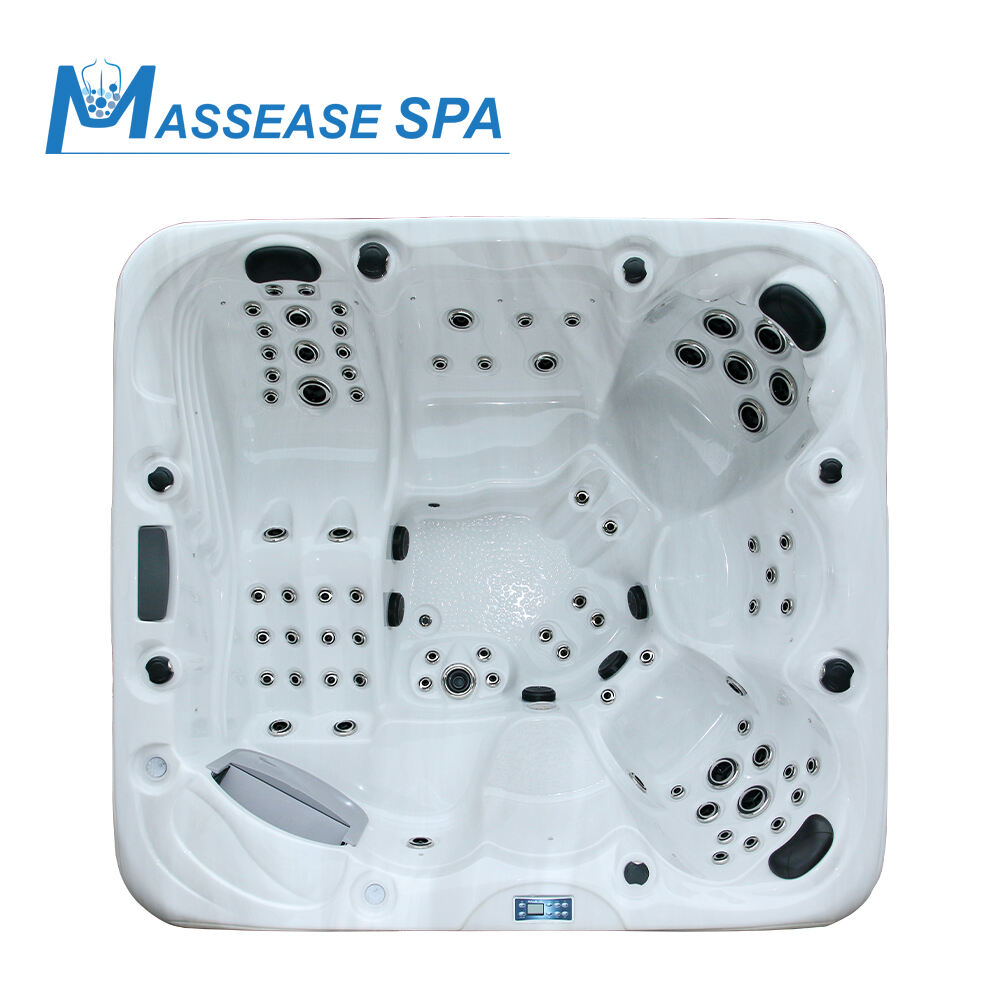
Understanding Spa Tub Types and Core Features
Jetted Whirlpool vs. Air Bath vs. Combination Systems
Whirlpool systems with jets send focused water streams into muscles for what feels like a deep tissue massage, really good for when someone's back is killing them after a long day at work. Air bath tubs work differently though, they pump out tons of tiny bubbles from the bottom up, wrapping around the whole body without making much noise at all. Some tubs actually combine these two approaches so people can flip between intense water therapy sessions and those mellow bubble experiences whenever they want. The jetted ones are great for targeting specific areas that hurt, but the air baths tend to be gentler overall, which makes them better suited for folks with delicate skin or older adults who might find strong water pressure uncomfortable.
Key Performance Indicators: Flow Rate, Jet Placement, and Hydrotherapy Benefits
The amount of water flowing through a system, measured in gallons per minute (GPM), has a big impact on how effective the therapy feels. Most adults find that between 50 and 70 GPM gives just the right pressure without being uncomfortable. Where those jets are placed matters too. Putting them around the lower back area, focusing on the calves, or targeting the neck region can make treatments work better for specific parts of the body. Studies indicate that people who regularly use hydrotherapy report about 40% less joint stiffness. The blood flow gets better too, muscles recover faster after workouts, and stress hormones tend to drop down. Modern pumps that save energy keep all these benefits going while saving around 30 cents on every dollar spent compared to older models. And they still deliver consistent water flow without making annoying noises.
Matching Spa Tub Specifications to Your Space and Use Case
Residential Luxury vs. Commercial Wellness Center Requirements
Home spas really let people put their stamp on things both functionally and visually. Most residential models come with curved seating areas that can fit anywhere from four to six folks, plus all sorts of different jet setups depending on what feels good. They also tend to have sleek designs that work well whether installed outside in the yard or inside the house somewhere. On the other hand, commercial facilities need much tougher equipment that meets ASTM F2253 standards for daily wear and tear. These include stronger frames, parts that won't rust away, top notch cleaning systems similar to those found in hospitals, and enough space for at least eight people at once. Every commercial setup has to follow ADA guidelines too, which means things like non-slip floors, handrails around the edges, and entry points no higher than 19 inches off the ground. Local health regulations will apply as well. For homes though, the main concerns are usually how much electricity they consume, keeping noise levels down so neighbors aren't bothered, and making sure everything blends nicely into whatever outdoor or indoor setting it's placed in.
Size, Drainage, Structural Support, and Installation Constraints
Accurate spatial planning prevents costly retrofits. Allow 2–3 feet of clearance around the unit for service access and ventilation. Critical considerations include:
- Weight distribution: A filled spa tub weighs 3,000–5,000+ lbs—verify structural integrity with a minimum 4-inch-thick concrete pad or engineered deck rated for live loads ≥100 psf
- Drainage planning: Slope adjacent flooring at 1/4" per foot away from buildings and foundations to prevent moisture infiltration
- Space optimization: Compact 2-person models fit within 6'×6' footprints; 8-person units require ≥8'×8' clear floor space
- Utility access: Locate within 15 feet of a dedicated GFCI-protected 240V circuit and a floor drain or gravity-fed waste line to minimize plumbing complexity and cost
Always confirm local building codes for deck load ratings, electrical grounding requirements, and permit thresholds before finalizing layout.
Material Durability, Maintenance, and Long-Term ROI
Acrylic, Cast Iron, Stainless Steel, and Composite Comparisons
What material gets chosen really affects how long something lasts, how it handles temperature changes, and whether it can be installed properly. For homes, acrylic has become pretty much standard because it's light enough to work with, can be shaped into comfortable curves, and keeps heat in well. But if it's going to sit outside where sunlight hits it, we need special formulas to stop it from turning yellow over time. Cast iron? That stuff holds heat like nobody's business and looks great for decades, but let's face it - those things weigh between 300 to 500 pounds when dry, so extra support structures are necessary. Stainless steel dominates in commercial settings mainly because nothing sticks to it, it won't rust, and cleaning surfaces is straightforward even after heavy use, although minor scratches do tend to build up eventually. Composite options like mineral filled acrylic blends or fiberglass combinations strike a nice middle ground though. They offer good strength, allow creative designs without breaking the bank, which makes them popular choices for apartment complexes or smaller wellness centers looking to expand their offerings. When picking materials, think about how often they'll get used and where exactly they're going to be placed. Acrylic works best for home installations where comfort matters most, stainless steel rules the roost in places where cleanliness is critical, while composites provide flexible solutions across different scales of operation.
Cleaning Protocols, Warranty Coverage, and Energy Efficiency Ratings
Regular maintenance keeps things running smoothly and makes sure the warranty stays valid. For best results, clean surfaces every day with cleaners that are neutral in pH balance to stop calcium buildup from forming. Monthly jet cleaning with enzyme based solutions helps break down those stubborn biofilms that accumulate over time. Don't reach for abrasive scrubbing pads or anything containing chlorine though since these can really damage acrylic or composite surfaces. Warranty periods actually tell us something about quality confidence. Premium manufacturers typically guarantee shell integrity for 10 to 15 years compared to just 5 years from most others in the market. Insulation makes a big difference too reducing heat loss while sitting idle by around 30% which cuts down yearly electric bills significantly especially if used alongside pumps certified by ENERGY STAR and good old fashioned smart timing. Getting the right flow restrictors installed properly adds another layer of efficiency saving between seventy five to one hundred fifty dollars each year. Put all these elements together with strong warranties and materials that don't need constant attention and we're looking at equipment that can last well over twenty years without breaking the bank on ongoing expenses.
Integrating Smart Controls and Customization for Optimal Spa Tub Experience
Touchscreen Panels, Remote App Control, and Voice-Activated Features
Smart control systems bring together convenience, personalized settings, and better efficiency all in one package. Touchscreens installed right at the edge of the tub let bathers tweak temperature levels, adjust jet strength, or select from various massage programs on the fly. When it comes to app-connected systems, remote access opens up new possibilities. Someone can warm up the water while driving home, check how the system is performing, or get notified when maintenance is needed something that makes life much easier for businesses running several units or keeping track of guest bookings. Voice commands work seamlessly with Alexa or Google Assistant too, so nobody has to fumble around wet hands after a soak. The really high-end models come packed with features like energy usage tracking and smart scheduling options. These help cut down on electricity bills by about 30% because they manage power consumption intelligently based on actual usage patterns throughout the day.
Lighting, Aromatherapy, and Sound System Compatibility
When we talk about ambient enhancements, they really boost the therapeutic effects through our senses of sight, smell, and hearing. Take chromotherapy LED lights for instance. Studies published in journals like Wellness Tech have shown that blue light specifically can cut down on stress perception by around 22%. That's pretty impressive stuff. Many systems now come with built-in aromatherapy diffusers that spread out essential oils such as eucalyptus which helps clear the lungs or lavender that actually activates the body's rest response. These work really well together with water therapy treatments to make people feel even more relaxed. For sound, there are Bluetooth audio systems that create amazing sound environments whether someone wants a guided meditation session or just the sounds of nature. And here's what makes it all special these days - everything connects seamlessly. Just say one simple voice command and suddenly the lights get softer, music starts playing, jets kick in, and the right scent begins to fill the air. This creates consistent wellness routines that work equally well at home or in professional settings.
FAQ
What are the main types of spa tubs?
The main types of spa tubs are jetted whirlpool systems, air bath tubs, and combination systems that offer both features.
What is the difference between a jetted whirlpool and an air bath?
Jetted whirlpools use focused water streams for deep tissue massage, while air baths use gentle bubbles for an overall calming effect.
What factors should I consider when choosing a spa tub for my home?
Consider factors such as size, jet placement, flow rate, material durability, energy efficiency, and any smart control features.
How do I ensure proper installation of a spa tub?
Ensure at least 2–3 feet of clearance for service, verify structural integrity, plan proper drainage, and ensure utility access close by.
Are there any special maintenance requirements for spa tubs?
Regular cleaning with neutral pH cleaners and enzyme solutions is advised to maintain warranty validity and efficiency. Avoid abrasive pads and chlorine-based cleaners.
What benefits do smart control systems provide for spa tubs?
Smart control systems offer convenient features like touchscreens, remote app access, voice commands, and energy-efficient management.
Table of Contents
- Understanding Spa Tub Types and Core Features
- Matching Spa Tub Specifications to Your Space and Use Case
- Material Durability, Maintenance, and Long-Term ROI
- Integrating Smart Controls and Customization for Optimal Spa Tub Experience
-
FAQ
- What are the main types of spa tubs?
- What is the difference between a jetted whirlpool and an air bath?
- What factors should I consider when choosing a spa tub for my home?
- How do I ensure proper installation of a spa tub?
- Are there any special maintenance requirements for spa tubs?
- What benefits do smart control systems provide for spa tubs?