 EN
EN

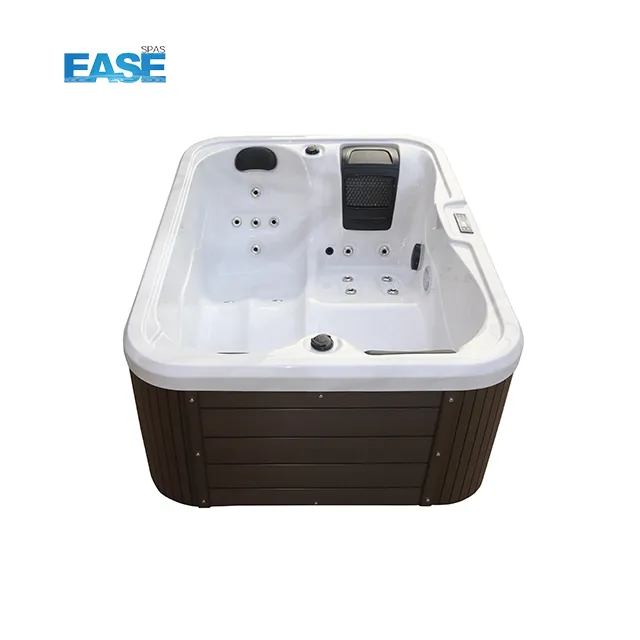
Core Ergonomic Principles Behind the Modern Bath Tub
Spinal alignment and pressure relief through contoured bath tub geometry
Modern ergonomic bath tubs support healthy posture via scientifically calibrated contours that mirror the spine’s natural S-curve. Unlike flat-bottomed tubs—which increase lumbar pressure by up to 40%—these designs distribute body weight evenly across contact points, easing strain on vertebrae and joints. Deep lumbar support zones and waterfall-style backrests maintain neutral spinal alignment while submerged, offering measurable relief for people with arthritis or recovering from surgery. The same geometry prevents sliding during use—a critical safety factor, as falls account for 80% of bathroom injuries (CDC). Crucially, this support enables full-body immersion without compromising postural integrity.
Optimized limb positioning and inclusive sizing for diverse body types
Ergonomic bath tubs reflect real-world anatomical diversity—not just average measurements. Recessed arm channels allow natural shoulder rotation during bathing, while graduated depth profiles (14"–18") promote optimal knee flexion. Extended-width models (up to 42") comfortably accommodate 95% of adult body masses per standardized anthropometric data, with structural weight capacities exceeding 350 lbs. The basin floor is angled to position hips at 110–130 degrees—the orthopedically recommended sitting angle—reducing lower-extremity strain. For users requiring caregiver assistance, scalloped cutouts provide functional clearance without sacrificing water containment. This intentional sizing eliminates the “perching” effect common in conventional tubs, where discomfort often sets in within 10 minutes.
Safe Entry, Exit, and Stability: Accessibility-Centric Bath Tub Design
Low-threshold entry, transfer-friendly slopes, and anti-slip base integration
Safe transitions begin at the threshold: modern ergonomic tubs feature entries under 7 inches—less than half the height of traditional 14–20 inch barriers—reducing fall risk by 60% (CDC mobility studies). Graduated transfer slopes replace abrupt edges, enabling smooth pivoting for seated users and compatibility with walkers or wheelchairs. Integrated anti-slip bases use textured hydrogrip surfaces—micro-etched to activate surface tension when wet—offering reliable traction where standard porcelain fails. Together, these elements form a cohesive accessibility system: low thresholds minimize leg lift effort, gentle slopes support controlled weight transfer, and the non-slip base ensures stability throughout the entire bathing sequence. This trifecta supports independent use for aging adults, post-surgical patients, and those managing chronic joint conditions—while aligning with universal design standards for residential safety.
Key Safety and Wellness Features of an Ergonomic Bath Tub
Integrated grab bars, textured non-slip surfaces, and adjustable support options
Three foundational features define the safety architecture of ergonomic bath tubs: integrated grab bars, textured non-slip flooring, and adaptable support systems. Strategically placed grab bars provide secure anchoring during entry and exit—studies show they reduce bathroom falls by 38%. Textured flooring replaces slippery porcelain with slip-resistant materials engineered to retain grip even when saturated, directly addressing the fact that 80% of bathroom accidents stem from loss of traction. Adjustable support options—including height-modifiable seats and removable armrests—allow customization for temporary injuries or permanent mobility needs. These features don’t operate in isolation; their synergy creates a bathing environment where independence and safety coexist.
| Feature | Primary Benefit | User Impact |
|---|---|---|
| Integrated grab bars | Fall prevention during transfers | 38% reduction in bathroom accidents |
| Textured non-slip base | Continuous traction in wet conditions | Eliminates 80% of slip-related incidents |
| Adjustable support seats | Customizable height/positioning | Adapts to temporary or permanent mobility needs |
Health benefits across life stages—from post-rehab recovery to aging-in-place independence
Ergonomic bath tubs deliver therapeutic value far beyond basic hygiene. For rehabilitation patients, submerged hydrotherapy combined with stable, supportive seating improves circulation and reduces re-injury risk during essential daily routines. Middle-aged users gain proactive joint and spinal protection—contoured seating has been shown to reduce spinal loading by up to 72% during extended soaks, countering cumulative workplace strain. For older adults, these tubs are central to aging-in-place strategies: 90% of seniors prefer to remain at home, and accessible bathing preserves both physical autonomy and psychological dignity. Research indicates that homes with fully accessible bathrooms delay institutional care by an average of 2–3 years. In this way, ergonomic bath tub design transforms a routine activity into a sustained wellness practice—one that evolves meaningfully across decades.
FAQ
What is the primary purpose of ergonomic bath tubs? Ergonomic bath tubs are designed to support spinal alignment, improve accessibility, and provide safety and comfort for users of all ages and abilities.
How do ergonomic bath tubs prevent slipping accidents? Ergonomic bath tubs feature textured, non-slip surfaces that enhance traction, even in wet conditions, drastically cutting the risk of slip-related incidents.
Are ergonomic bath tubs suitable for seniors and people with disabilities? Yes, these baths are designed with features such as low thresholds, transfer-friendly slopes, and integrated grab bars to accommodate seniors and individuals with reduced mobility.
Can ergonomic bath tubs be customized for unique user needs? Many models offer adjustable components like height-modifiable seats and removable armrests, allowing tailoring for temporary injuries or permanent mobility requirements.
What health benefits do ergonomic bath tubs provide? These tubs promote joint and spinal health, assist in rehabilitation, reduce strain during bathing, and support aging-in-place independence.