 EN
EN

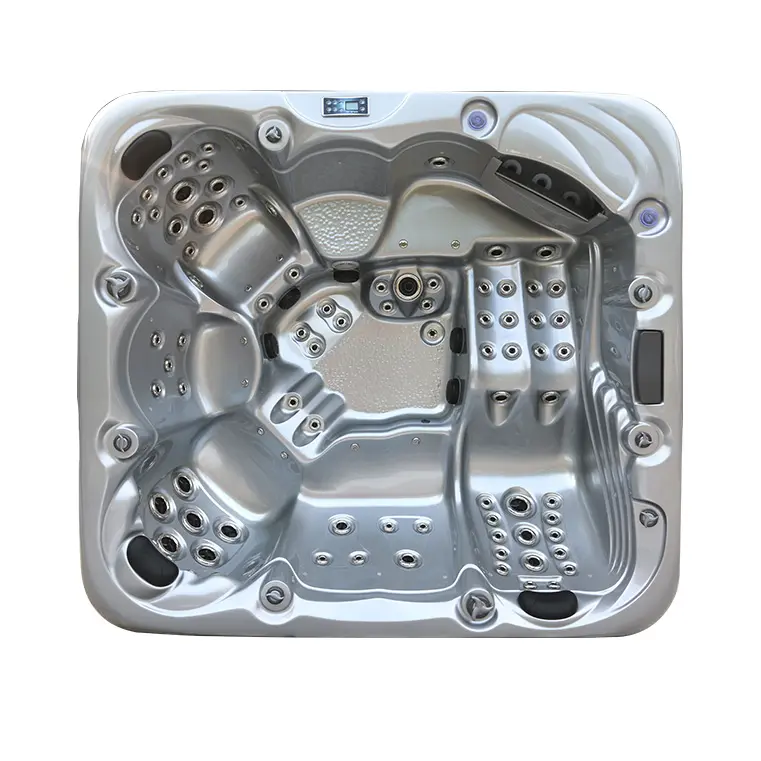
Mastering Water Chemistry for Spa Hot Tub Health
Balancing pH, Alkalinity, and Sanitizer Levels
Proper water chemistry prevents corrosion, scaling, and bacterial growth. Always test alkalinity first—maintain 80–120 ppm to stabilize pH. If alkalinity is low, raise it with sodium bicarbonate; if high, lower it with muriatic acid. Once alkalinity is in range, adjust pH to 7.2–7.8 using a dedicated pH increaser or decreaser—this range maximizes sanitizer effectiveness while ensuring bather comfort. Finally, maintain sanitizer levels at 1–3 ppm chlorine or 3–5 ppm bromine to continuously neutralize contaminants. Imbalances carry real consequences: low pH corrodes metal components and heater elements, while high pH clouds water and diminishes sanitizer potency.
| Parameter | Ideal Range | Adjustment Chemical |
|---|---|---|
| Alkalinity | 80–120 ppm | Sodium bicarbonate / muriatic acid |
| pH | 7.2–7.8 | pH increaser / pH decreaser |
| Sanitizer | 1–3 ppm (chlorine) 3–5 ppm (bromine) |
Chlorine granules / bromine tablets |
Test water at least twice weekly using digital testers or high-quality test strips. Always adjust in sequence—alkalinity before pH—and wait at least four hours between treatments to allow stabilization.
Shock Treatment Best Practices: Timing, Dosage, and Bather Load Considerations
Shock treatment oxidizes organic waste—like sweat, oils, and lotions—and reactivates residual sanitizer. Use non-chlorine shock weekly under normal conditions, or chlorine shock after heavy use (e.g., parties or consecutive soaks). Dose by volume: 1 oz of non-chlorine shock per 500 gallons, or 2 tablespoons of chlorine shock per 400 gallons. For spas used daily by four or more people, double the frequency—not the dose—to avoid overloading the system. Apply shock at dusk to minimize UV degradation, and wait at least 20 minutes before re-entering. Under-shocking invites biofilm formation; over-shocking destabilizes pH and alkalinity, increasing long-term maintenance burden.
Chlorine vs. Bromine: Impact on Spa Hot Tub Equipment Corrosion and Lifespan
Chlorine acts faster but breaks down more quickly in hot water, forming chloramines that accelerate corrosion of jets, heaters, and plumbing. Bromine remains stable above 75°F, produces fewer corrosive byproducts, and extends equipment lifespan by 15–20% compared to chlorine-based systems (Water Quality Council, 2023). While bromine costs roughly 20% more and requires higher concentration thresholds, its stability makes it especially suited for frequent-use or indoor spas. Saltwater chlorine generators introduce additional risk: without titanium heater elements or proper anode rod protection, electrolytic corrosion can severely shorten heater life. Test for dissolved metals quarterly and replace sacrificial anode rods annually to mitigate this risk.
Optimizing Circulation and Filtration in Your Spa Hot Tub
Daily Skimming and Weekly Filter Cleaning Protocols
Remove floating debris daily with a fine-mesh net—this simple step prevents organic matter from breaking down in the water, reducing sanitizer demand and filter load. Weekly filter cleaning is essential: rinse cartridges thoroughly with a high-pressure hose, paying special attention to the base of each pleat where biofilm and oils accumulate. For heavily soiled filters, soak overnight in a 10:1 water-to-white-vinegar solution to dissolve mineral scale and organic residue. This routine reduces pump strain and prevents up to 15% in unnecessary energy consumption. During cleaning, inspect filter seals for cracks or warping—damaged seals allow unfiltered water to bypass the cartridge entirely.
Filter Replacement Guidelines by Cartridge Type and Usage Frequency
Filter lifespan varies significantly with construction and usage intensity:
| Filter Type | Standard Usage (1–3 users) | Heavy Usage (4+ users) |
|---|---|---|
| Pleated Polyester | 12–18 months | 6–9 months |
| Microfiber Cartridge | 18–24 months | 9–12 months |
| Ceramic Core | 24–36 months | 12–18 months |
Replace filters immediately if pleats are flattened, torn, or no longer hold shape—even if within the recommended timeframe. Rotating between two identical filters extends collective service life by up to 30%. Always prime new cartridges with water before installation to prevent airlock and protect your circulation pump.
Strategic Draining and Deep Cleaning for Spa Hot Tub Longevity
Empirical Drain Intervals: 3–4 Months (Moderate Use) vs. 6–8 Weeks (High-Use Spas)
Draining and refilling is the most effective way to reset water quality and remove accumulated total dissolved solids (TDS), oils, and non-oxidizable contaminants. Industry data confirms optimal intervals based on actual use:
- Moderate use (1–3 sessions per week): Replace water every 3–4 months
- High use (daily use or group soaks): Drain every 6–8 weeks
Always shut off power at the circuit breaker before draining. While empty, scrub all interior surfaces—including jets, waterfalls, and the shell—with a non-abrasive, spa-safe cleaner to disrupt biofilm and remove mineral deposits. This step directly protects against pump cavitation, heater calcification, and premature filter failure—extending core component life by several years.
Preventive Maintenance Schedule: Daily to Quarterly Spa Hot Tub Care
The 5-Minute Daily Checklist That Reduces Annual Repair Costs by 37%
A consistent 5-minute daily routine delivers outsized returns: industry analysis shows it reduces annual repair costs by 37% by catching issues early and preventing compounding failures. Perform these steps every day:
- Secure the cover to retain heat, reduce evaporation, and block airborne debris
- Verify temperature stability—sudden drops may indicate heater or flow sensor issues
- Skim surface debris, especially leaves and insects, before they sink and decompose
- Inspect for leaks, shell cracks, or unusual discoloration, particularly in outdoor units exposed to UV and temperature swings
This habit alone extends filter life by nearly 30% and cuts chemical demand by stabilizing baseline water quality. Pair it with weekly testing, monthly filter rinsing, and quarterly deep cleans—including jet line flushing and heater descaling—for comprehensive, cost-effective longevity.
FAQs
1. How often should I test the water in my spa hot tub?
You should test the water at least twice a week using high-quality test strips or a digital water tester to ensure proper pH, alkalinity, and sanitizer levels.
2. What is the ideal pH level for a spa hot tub?
The pH level should be maintained between 7.2 and 7.8 to ensure bather comfort, effective sanitation, and minimized corrosion risks.
3. Why is shock treatment important for spa hot tubs?
Shock treatment oxidizes organic waste, reactivates residual sanitizer, and prevents biofilm buildup, keeping the water safe and clean.
4. Should I use chlorine or bromine in my spa hot tub?
Bromine is more stable in higher temperatures and produces fewer corrosive byproducts, making it ideal for frequent-use or indoor spas. However, chlorine acts faster and is generally more cost-effective, although it breaks down more quickly in hot water.
5. When should I replace my spa filter?
The replacement timing depends on filter type and usage: pleated polyester filters last 6–18 months, microfiber cartridges last 9–24 months, and ceramic core filters last 12–36 months.
6. How often should I drain and refill my spa hot tub?
For moderate use (1–3 sessions per week), drain and refill every 3–4 months. For high use (daily sessions or group soaks), drain every 6–8 weeks.
Table of Contents
- Mastering Water Chemistry for Spa Hot Tub Health
- Optimizing Circulation and Filtration in Your Spa Hot Tub
- Strategic Draining and Deep Cleaning for Spa Hot Tub Longevity
- Preventive Maintenance Schedule: Daily to Quarterly Spa Hot Tub Care
-
FAQs
- 1. How often should I test the water in my spa hot tub?
- 2. What is the ideal pH level for a spa hot tub?
- 3. Why is shock treatment important for spa hot tubs?
- 4. Should I use chlorine or bromine in my spa hot tub?
- 5. When should I replace my spa filter?
- 6. How often should I drain and refill my spa hot tub?