 EN
EN

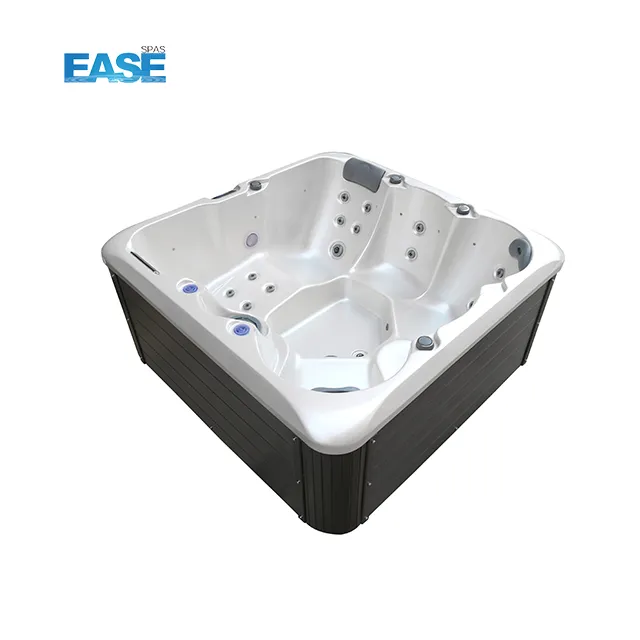
Therapeutic Benefits of a Home Whirlpool: Science-Backed Hydrotherapy for Muscle Relief and Stress Reduction
How Jet Placement, Pressure, and Flow Patterns Enable Targeted Muscle Recovery
Strategic jet configuration transforms a standard whirlpool into a precision recovery tool. Angled jets target deep muscle layers along the spine and limbs, while adjustable pressure settings accommodate varying sensitivity—from gentle kneading to intense deep-tissue stimulation. Rotational flow patterns replicate professional massage techniques, helping break down lactic acid buildup in overworked quadriceps or deltoids. This dynamic customization allows users to address specific concerns like lower-back stiffness or post-workout leg fatigue. Hydrodynamic studies confirm that multidirectional currents increase tissue permeability by 40% compared to static immersion, accelerating nutrient delivery to strained muscles.
Physiological Mechanisms: Circulation Boost, Respiratory Support, and Parasympathetic Activation
Warm water immersion (37–39°C) triggers vasodilation, elevating blood flow velocity by 25% within minutes—supporting muscle oxygenation and clearance of inflammatory cytokines linked to arthritis discomfort (Journal of Hydrotherapy, 2023). Heated humidity also expands bronchial pathways, easing respiratory effort for individuals with mild asthma. Crucially, buoyancy-induced weightlessness lowers cortisol production by 30%, activating the parasympathetic nervous system. This combined effect—enhanced circulation, optimized breathing, and neurological calm—creates a clinically relevant antidote to chronic stress, with measurable improvements in heart rate variability observed during 20-minute sessions.
Residential Whirlpool Usability: Design, Sizing, and Accessibility for Real-World Homes
Ergonomic Features—Seating, Water Depth, and Entry Options for Daily Comfort and Safety
Quality home whirlpools prioritize human-centered design with contoured seating that supports natural spinal alignment and reduces joint strain. Water depth typically ranges from 40–42 inches—deep enough for full immersion but shallow enough to allow safe, confident entry and exit. Integrated grab bars and slip-resistant flooring mitigate fall risks, while low-step entries and bench seating accommodate mobility variations. Therapeutic jets are positioned at ergonomic heights to target major muscle groups without forcing awkward postures—essential for daily relaxation and long-term injury prevention.
Space-Smart Configurations: Freestanding, Corner, and Walk-In Whirlpool Options
Modern whirlpools adapt to spatial constraints through versatile layouts:
- Freestanding units (average 5'×7') suit larger bathrooms and allow 360° access
- Corner designs maximize square footage in compact rooms
-
Walk-in models feature door access and seated depth, ideal for users with limited mobility
Installation flexibility includes adjustable plumbing connections and trim kits for flush cabinet integration. Strategic insulation maintains thermal efficiency—even in smaller footprints—helping keep energy costs manageable for residential use.
Installation, Maintenance, and Long-Term Reliability of a Home Whirlpool
Structural, Electrical, and Plumbing Requirements for Seamless Whirlpool Integration
Proper installation requires structural assessment to support water weight (up to 2,800 kg fully loaded), alongside a dedicated 240V electrical circuit with GFCI protection to prevent hazards. Plumbing must handle drainage flow rates of 40–50 liters per minute, and reinforced flooring prevents shifting or settling. Certified installers ensure precise calibration of jets and pumps—critical to maintaining performance, preventing leaks, and preserving warranty coverage.
Low-Effort Maintenance Protocols to Preserve Performance and Hygiene
- Daily: Wipe surfaces post-use; run jets for 10 minutes to clear debris
- Weekly: Test water pH (ideal range: 7.2–7.6); use non-foaming cleaners to protect pump integrity
- Monthly: Flush pipes with a vinegar solution; inspect and clean filters per the 2023 Hydrotherapy Maintenance Report
- Annual: Professional motor servicing extends unit lifespan by 4–7 years (Pool & Spa News, 2022)
FAQ
-
What are the key physiological benefits of using a home whirlpool?
A home whirlpool improves circulation, supports respiratory health, and activates the parasympathetic nervous system, providing relief from muscle stress and discomfort. -
How can one customize jet settings for targeted muscle therapy?
Jet pressure and flow patterns can be adjusted to accommodate various needs from gentle relaxation to intense muscle stimulation, targeting specific areas of discomfort. -
Are there accessible design options for individuals with mobility challenges?
Yes, accessible whirlpool designs include walk-in models with door access and bench seating to accommodate users with limited mobility. -
What are the installation requirements for a home whirlpool?
Installation requires structural assessment and specific electrical and plumbing considerations to ensure safety and functionality, typically handled by certified installers. -
How is routine maintenance conducted to keep the whirlpool hygienic?
Maintenance involves daily surface wiping, weekly pH testing, monthly pipe flushing, and annual professional servicing to extend the lifespan and performance.