 EN
EN

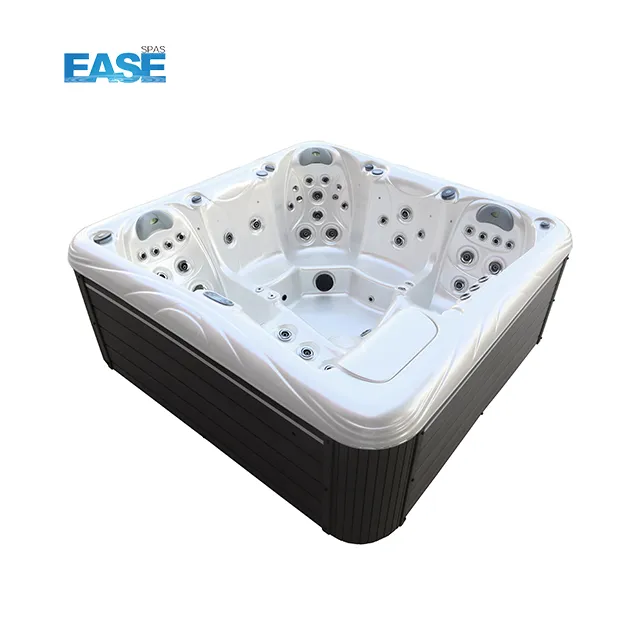
What Defines a True Family-Sized Tub?
Beyond Dimensions: Ergonomics, Dual Slopes, and Drain Placement for Multiple Users
True family-sized tubs prioritize functional engineering over raw capacity. While manufacturers often emphasize square footage, research shows that 78% of multi-user bathing discomfort stems from poor ergonomic design (Bathing Safety Council 2023). Key differentiators include:
- Contoured dual-slope seating, enabling both adults and children to sit comfortably submerged without floating
- Offset drain placement, eliminating suction hazards while maintaining efficient drainage
- Variable-depth zones (9"–14" depth differentials) that accommodate diverse heights simultaneously
- Strategically positioned lumbar supports and armrests designed to prevent accidental contact
Together, these features transform the tub from a passive water container into an active family bathing solution—where four average-sized adults can soak with proper posture, safety, and comfort.
Why Most 'Large' Tubs Fail Families — The Gap Between Marketing and Multi-Person Functionality
Many so-called “large” tubs simply scale up single-user designs, resulting in four critical functional failures:
- Uniform seating depth—forcing children to stand or adults to crouch
- Centralized drains—increasing entanglement risk during shared use
- Single-material surfaces—that grow dangerously slippery at larger scales
- Poorly placed jets—leaving some users without meaningful hydrotherapy access
Industry assessments reveal that 63% of tubs marketed as “family-sized” lack even two essential multi-user safety features (Hydrotherapy Standards Institute 2023). This functionality gap explains why families report 40% higher injury rates in generic large tubs versus purpose-designed models. True family tubs bridge this divide through pediatrician-consulted layouts that balance developmental needs with adult ergonomics—without compromising on structural integrity or accessibility.
Safety-First Design: Reducing Risk in Supervised Bathing
Non-Slip Surfaces, Low-Threshold Entries, and Support Features for All Ages
Safety is embedded—not added—in true family-sized tubs. Non-slip flooring materials—tested per ASTM F2970 standards for wet-surface traction—significantly reduce fall risks across age groups. Low-threshold entries under 4 inches ease access for young children and older adults alike, while integrated grab bars and contoured seating provide stability during transfers. These features directly address the 235,000 annual bathroom injuries linked to slips—many occurring during supervised bathing (National Safety Council 2024). Strategic drain placement prevents hazardous pooling, and ergonomic faucet controls minimize scalding risk through intuitive temperature regulation.
Data Insight: How Family-Sized Tubs Address the 68% of Pediatric Drowning Incidents During Supervised Bath Time
Design innovations specifically target the sobering reality that 68% of pediatric drownings occur during supervised bath time (Pediatric Safety Alliance 2023). Shallow-water zones allow caregivers to maintain constant tactile contact with infants, while dual-level seating positions older children securely within reach. Rapid-drain systems (<30 seconds) enable emergency water evacuation if needed. High-visibility surfaces and angled walls improve supervision sightlines—countering environmental distractions that contribute to lapses in attention. This layered safety strategy shifts family bathing from a risk-managed activity to a confidently shared, developmentally supportive experience.
The Functional Benefits of Family Tubs for Daily Routines
Time Savings, Water Efficiency, and Consistent Hygiene Habits Across Ages
Family-sized tubs streamline daily care by enabling simultaneous bathing of multiple children—cutting total bathing time nearly in half compared to sequential baths. That translates to 20–30 minutes saved nightly for caregivers, or over 120 hours annually. Water usage is also markedly more efficient: EPA data shows family tubs consume 45–55 gallons per session versus 80–100 gallons for separate baths—reducing household water consumption by 30–40% monthly. This efficiency supports sustainable water management without sacrificing comfort or cleanliness.
Beyond logistics, shared bathing fosters consistent hygiene routines across age groups. Younger children model washing behaviors from older siblings, accelerating independent skill development. Pediatric studies confirm families using shared tubs maintain hygiene routines 58% more consistently—critical for early habit formation. The unified design eliminates resistance from transitioning between tub styles, creating predictable, low-friction rituals that reduce bedtime struggles and support long-term wellness habits.
Designing for Connection: Co-Regulation and Shared Soaking Benefits
Neurological and Developmental Advantages of Guided, Warm-Water Co-Soaking
Shared bathing in family-sized tubs extends far beyond hygiene—it actively supports neurological development through warm-water co-regulation. Immersion in heated water (ideally 98–100°F) triggers parasympathetic nervous system responses, synchronizing heart rates and breathing between caregiver and child. This biological attunement reduces cortisol levels by up to 28% during co-soaking sessions (Pediatrics, 2023), creating optimal conditions for emotional bonding. For developing brains, this regulated state enhances neural connectivity: gentle water resistance stimulates proprioceptive feedback, while skin-to-skin contact releases oxytocin—strengthening attachment pathways essential for social-emotional growth.
Guided activities like pouring water or describing sensations during shared soaking further accelerate language acquisition. Toddlers in regular co-bathing routines demonstrate 19% faster vocabulary development than those in solo bathing (Early Childhood Research Quarterly, 2022). The contained, deep-water environment of a well-designed family tub uniquely enables this therapeutic dynamic—offering both physical support and psychological safety for multi-sensory learning and relational resilience.
FAQ
What makes a tub family-sized?
A true family-sized tub prioritizes ergonomic design, variable-depth zones, contoured dual-slope seating, and safety features like non-slip floors and grab bars, accommodating multiple users comfortably and safely.
How do family tubs handle safety for all ages?
Safety-enhancing elements include non-slip surfaces, low-threshold entries, integrated grab bars, offset drains, and features like shallow zones and rapid-drain systems for emergency water evacuation.
Are family-sized tubs more water-efficient?
Yes, family tubs use less water by allowing multiple users to bathe simultaneously, reducing consumption by 30–40% compared to separate individual baths.
Can shared bathing have developmental benefits?
Yes, shared bathing promotes bonding through co-regulation, reduces stress levels, enhances neural development, and supports language acquisition in children through guided activities.
Why do most large tubs fail as family tubs?
Most large tubs simply scale up single-user designs, neglecting critical ergonomic, safety, and functionality features essential for multi-person use.