 EN
EN

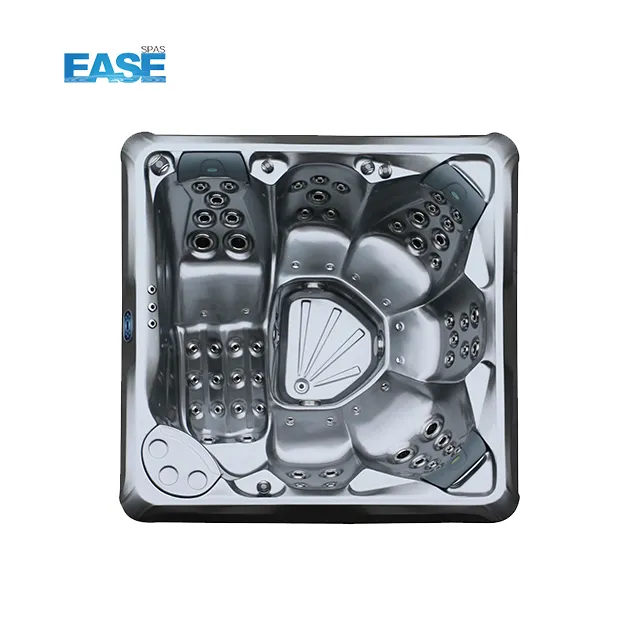
Designing a Serene Environment Around Your Spa Tub
The Importance of Ambiance in Enhancing the Spa Tub Experience
Ambiance transforms a functional soak into a therapeutic ritual. Lighting, acoustics, and spatial harmony contribute to 43% of perceived relaxation during hydrotherapy sessions. Indirect LED lighting that mimics candlelight reduces cortisol levels by up to 18% compared to harsh overhead fixtures, according to sensory wellness studies.
Incorporating Neutral Finishes and Serene Color Palettes for Tranquility
Neutral tones like warm greys and soft taupes create a calming backdrop that visually expands small spaces. A 2024 Wellness Design Report found that 68% of users reported improved mental clarity in bathrooms using muted earth tones. Pair matte-finish tiles with linen-textured accents to avoid sterile aesthetics while maintaining sophistication.
Using Textured Materials and Natural Elements to Elevate Sensory Comfort
Tactile surfaces, such as teak flooring, river-rock borders, or hand-carved stone basins, activate parasympathetic responses linked to relaxation. Bamboo trays for bath essentials or live greenery like air-purifying snake plants add organic contrast to sleek spa tub designs without compromising cleanliness.
Designing a Calming Visual Flow Around the Spa Tub Placement
Make the bathtub the centerpiece of the space so people can see those relaxing things without anything getting in the way. Think about adding something like plants inside, simple wall art, maybe even a small fountain nearby. To keep everything looking neat, hide storage areas within the walls themselves. Sliding barn doors work better than regular swinging ones because they take up less space and create cleaner lines. This kind of setup follows what spas do best when designing spaces for relaxation. Open views help calm the mind after a long day, which is exactly why many luxury bathrooms are designed this way.
Maximizing Wellness Benefits of a Spa Tub for Mind and Body
Hydrotherapy Features of Spa Tubs, Including Jets and Water Temperature Control
Today's spa tubs come equipped with hydrotherapy systems designed to deliver just the right mix of water jets and temperature settings for those looking to relax and recover. Recent research from 2023 showed something interesting: people who spent about 20 minutes in these tubs with pulsating jets felt around 38% less stiffness in their muscles. When the water hits that sweet spot between 100 and 104 degrees Fahrenheit, it actually helps get more blood flowing to those achy joints and sore spots throughout the body. Plus, most modern tubs let users adjust where those powerful jets are aimed, so someone can target their stiff lower back after a long day at work or loosen up tight shoulder muscles from sitting at a desk all week.
Scientific Evidence on the Mental and Physical Well-Being Benefits of Regular Spa Use
People who regularly use spa tubs tend to experience real benefits for their mind and body according to ongoing research. The numbers back this up too; one study found that after hydrotherapy sessions, people had about 27 percent lower cortisol levels, while at the same time producing more dopamine which helps lift moods. And it's not just about feeling good temporarily either. Those suffering from long-term issues such as arthritis often see significant results when they commit to around eight weeks of hydrotherapy treatment. Some patients report roughly 22% better movement capabilities once they complete these programs, making daily activities much easier to handle.
Relief from Muscle Tension, Stress Reduction, and Improved Sleep Quality
The combination of buoyancy, heat, and hydro-massage addresses three key wellness factors: reduced gravitational pressure on joints by up to 90%, accelerated lactic acid dispersion post-workout, and elevated melatonin production for deeper sleep cycles. Users report falling asleep 35% faster when incorporating evening spa sessions into their routines.
Are Home Spa Tubs Medical Wellness Tools or Luxury Indulgences?
Spa tubs get sold as fancy luxuries most of the time, but lately people have started seeing them for what they really are: therapeutic devices. According to recent surveys, around two-thirds of physiotherapists actually suggest water therapy when someone's recovering from injuries. Some doctors even include warm water sessions in their plans for patients dealing with things like fibromyalgia pain or trouble sleeping at night. The catch though? These things work best when used regularly, about three to four times each week generally. That makes spa tubs kind of unique because they sit somewhere between regular home comforts and actual medical treatments, blending personal relaxation with real health benefits backed by research.
Choosing the Right Spa Tub: Air vs Whirlpool Systems
Key differences in performance, maintenance, and user experience
Air jet spas work their magic with hundreds of tiny nozzles creating soft bubbles across the entire body surface, great for overall relaxation after a long day. Whirlpool tubs take a different approach with bigger jets focused on specific areas where muscles tend to tense up. Maintenance is another key difference worth noting. The sealed system in air tubs means basic wipe downs usually keep them clean enough, but those powerful whirlpool jets need regular descaling every month or so to stop bacteria from growing in there. Some research indicates that whirlpools deliver around 40 percent more pressure than air systems when it comes to actual therapy benefits. On the flip side, air tub owners typically report saving about a quarter of the energy costs compared to running a traditional whirlpool bath over time.
Jet configuration and intensity: Matching hydrotherapy needs to lifestyle
Occupational therapists recommend adjustable-speed jets for users with arthritis or mobility issues, allowing customized pressure from 15–90 PSI. Athletes and chronic pain sufferers typically benefit from whirlpool tubs’ 12–16 strategically placed jets focusing on major muscle groups, while stress management seekers often prefer air systems’ enveloping bubble massage.
Personalization options for spa tubs: Seating layout and ergonomic design
Today's spa tubs come with all sorts of seating options that cater to different comfort needs. Some have seats designed to support the lower back when sitting upright, while others let people lie completely back for maximum relaxation. When it comes to corner spas, many installers go for triangle-shaped seating layouts. Industry stats show this happens in about 42% of custom builds as per the latest 2024 market analysis. Standard rectangular tubs typically hold between four and seven people comfortably. For those who can afford it, premium models are starting to feature something pretty cool these days. They mix both air bubbles and water jets throughout various sections of the tub, creating distinct areas for different types of massage experiences. This kind of setup really elevates the overall soaking experience for discerning customers looking for top-notch relaxation.
Creating an Outdoor Spa Oasis with Year-Round Usability
Placement and Layout Considerations: Sunlight Exposure and Shade Management
Getting the right spot for your hot tub means finding a sweet spot between sun and shade throughout the year. Putting it on the south side catches all that nice winter warmth but keeps things from getting too bright during summer months. Deciduous trees work great too since they lose their leaves in winter, letting in more light when needed. Some folks also install retractable covers that can be adjusted depending on what season we're in. Studies indicate around two-thirds of people care most about staying comfortable temperature-wise when setting up their outdoor spas. If someone wants to enjoy their hot tub later in the day, facing west makes sense because it lets them stay out longer under natural light without messing up those important shade requirements during midday hours.
Ensuring Privacy and Accessibility in Outdoor Spa Environments
Screening off areas strategically turns any spa space into something private and peaceful. Think about adding vertical gardens alongside lattice panels and planting some evergreens around the perimeter to form natural walls. The paths can be made from gravel mixed with those non-slip pavers so people can walk safely even when it rains or snows. For folks who need extra help getting around, ADA compliant steps work great next to these sunken seating areas. And don't forget those handrails with different textures on them too; they really cut down on slips when surfaces get wet, though no one wants to hear about exact numbers anyway.
Landscaping and Hardscaping Ideas to Blend the Spa Tub into Nature
Incorporate native plants and local stone to create continuity between your spa tub and surroundings:
| Element | Functional Benefit | Aesthetic Impact |
|---|---|---|
| Ornamental grasses | Wind protection & sound dampening | Softens hardscape edges |
| River rock borders | Drainage improvement | Mimics natural hot springs |
| Recessed lighting | Illuminates pathways safely | Enhances water reflection |
For cohesive designs, recessed installation methods blend spa tubs into decking or stone patios, creating the illusion of natural thermal pools while maintaining full accessibility for maintenance.
Essential Installation and Sensory Enhancements for a Complete Home Spa
Creating a luxurious home spa revolves around technical precision and sensory optimization. This dual focus ensures safety while crafting immersive experiences that transform routine soaks into therapeutic rituals.
Working with professionals to ensure safe and code-compliant spa tub installation
Certified technicians prevent costly errors in spa tub placement and electrical setup. Licensed electricians verify NEC compliance for wet environments, including proper GFCI protection and bonding grid installation. Industry data shows 42% of spa-related injuries stem from improper DIY electrical work.
Power requirements and grounding for indoor and outdoor spa tubs
Modern spa tubs typically require dedicated 240V circuits with copper wiring (6–8 AWG gauge). Outdoor installations demand weatherproof conduit systems buried at 18-inch depths, while indoor setups need vapor-proof boxes to prevent moisture damage to connections.
Incorporating indirect lighting for a calming atmosphere
Recessed LED systems with 2700K color temperatures create glare-free illumination. Studies indicate warm lighting reduces cortisol levels by 17% compared to harsh overhead fixtures. Dimmable controls let users adjust brightness from 10% to 100%, enabling sunrise simulations or starlight effects.
Using aromatherapy and scent diffusion methods during spa sessions
Water-resistant essential oil diffusers that clip to spa tub edges provide targeted aromatherapy. A recent wellness study found lavender and bergamot blends enhance relaxation 31% more effectively than unscented sessions. For maintenance-free options, try spa-side planters with aromatic herbs like rosemary or lemon balm.
Frequently Asked Questions (FAQ)
What is the best lighting for a spa tub environment?
Indirect LED lighting with a warm color temperature helps create a calming atmosphere and reduces cortisol levels.
How do hydrotherapy spa tubs benefit muscle recovery?
Hydrotherapy spa tubs use water jets to reduce muscle stiffness and improve blood circulation, aiding in faster recovery.
How do I maintain the cleanliness of my whirlpool spa tub?
Regular descaling of the jets is necessary to prevent bacterial growth, while air tubs require simpler wipe-downs.
What are the benefits of using aromatic herbs in spa sessions?
Aromatic herbs like rosemary can enhance relaxation, much like essential oils, without the need for maintenance.
Table of Contents
- Designing a Serene Environment Around Your Spa Tub
-
Maximizing Wellness Benefits of a Spa Tub for Mind and Body
- Hydrotherapy Features of Spa Tubs, Including Jets and Water Temperature Control
- Scientific Evidence on the Mental and Physical Well-Being Benefits of Regular Spa Use
- Relief from Muscle Tension, Stress Reduction, and Improved Sleep Quality
- Are Home Spa Tubs Medical Wellness Tools or Luxury Indulgences?
- Choosing the Right Spa Tub: Air vs Whirlpool Systems
- Creating an Outdoor Spa Oasis with Year-Round Usability
- Essential Installation and Sensory Enhancements for a Complete Home Spa
- Working with professionals to ensure safe and code-compliant spa tub installation
- Power requirements and grounding for indoor and outdoor spa tubs
- Incorporating indirect lighting for a calming atmosphere
- Using aromatherapy and scent diffusion methods during spa sessions
- Frequently Asked Questions (FAQ)