 EN
EN

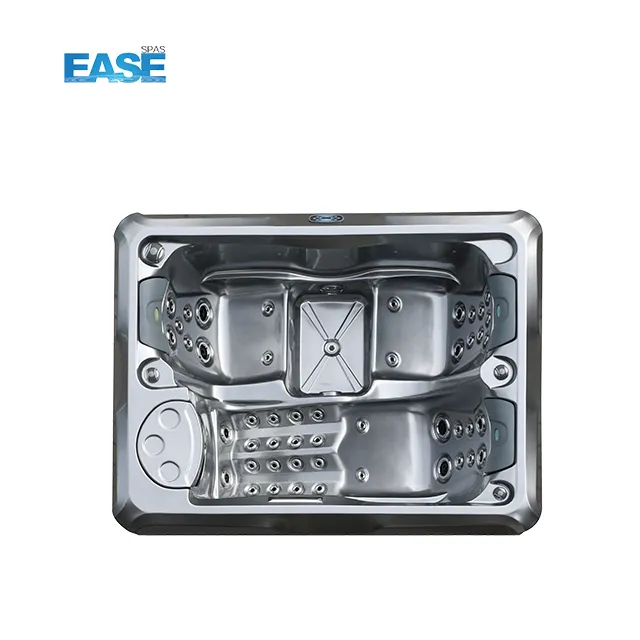
Types of Outdoor Hot Tubs: Portable, In-Ground, and Swim Spas
Understanding the Differences Between Portable, In-Ground, and Swim Spas
Portable hot tubs are freestanding units requiring no permanent installation, making them ideal for renters or seasonal use. In-ground models integrate seamlessly into landscaping but demand professional setup and reinforced foundations. Swim spas blend hot tub relaxation with swimming functionality, using adjustable currents for aquatic exercise.
Lifestyle Fit: Matching Your Needs to the Right Hot Tub Type
Households prioritizing flexibility often choose portable hot tubs for their affordability and mobility. In-ground installations suit homeowners seeking a permanent luxury upgrade, while swim spas cater to fitness enthusiasts wanting dual-purpose hydrotherapy and low-impact workouts.
Trend: Rising Popularity of Hybrid Swim Spas for Fitness and Relaxation
More than a third of high-end hot tubs sold today are actually hybrid swim spas according to industry data from 2024. Their compact size makes them ideal replacements for full-sized pools in backyard spaces where space is limited. The best part? Most come with separate areas for serious lap swimming and focused muscle recovery sessions, which really speaks to people who care about staying fit while relaxing at home. And let's not forget about savings either. Newer models boast better insulation and those fancy variable speed pumps that cut down on monthly bills by around 25% when compared with older versions still sitting in yards across the country.
Essential Features for Optimal Comfort and Performance
Hydrotherapy Benefits of Jet Types, Placement, and Pump Power
A 2023 Aquatic Therapy Journal study found targeted hydrotherapy reduces muscle stiffness by 63% when hot tubs use varied jet configurations. Pulsating neck jets relieve tension, while lumbar-focused clusters with 15+ nozzles improve spinal alignment. Adjustable 2-3 HP pumps maintain consistent pressure across all seats simultaneously.
Smart Technology: App Control, LED Lighting, and Automation
Over 40% of buyers now prioritize Wi-Fi-connected controls (Hot Tub Industry Trends 2024). These systems allow scheduling heat cycles during off-peak energy hours and syncing multicolor LED lighting to music. Top models integrate voice assistants for water temperature adjustments without leaving the tub.
Ergonomic Seating Layouts for Therapy and Social Use
Seating depth variations (14"–20") accommodate different body types, while waterfall edges create natural armrests. A 2023 user survey showed 78% of owners prefer hot tubs with alternating "cool-down" benches and contoured therapy loungers. Cove-shaped designs with 5–7 seats optimize both intimate gatherings and solo recovery sessions.
Energy Efficiency and Long-Term Operating Costs
Insulation Types: Full Foam vs. Air vs. Thermal Covers
Proper insulation reduces heat loss by up to 35%, directly impacting energy bills. Full foam systems encase plumbing in dense polyurethane, maintaining water temperature 25% more effectively than air-based designs (Thermal Efficiency Institute 2023). Thermal covers complement both methods, preventing evaporation— which accounts for 70% of heat loss in uncovered hot tubs.
Energy-Saving Components: Variable-Speed Pumps and Heat Pumps
Variable-speed pumps adjust flow rates to match usage, cutting energy consumption by 40–60% during low-demand periods. Heat pumps leverage ambient air warmth, operating 300% more efficiently than traditional electric heaters. Upgrading to these components can reduce annual operating costs by $180–$540, based on regional energy prices (Department of Energy 2024).
Calculating Total Cost of Ownership: Utility Bills and Maintenance
| Factor | Average Annual Cost |
|---|---|
| Electricity | $400–$1,200 |
| Water Treatments | $120–$300 |
| Component Replacements | $75–$200 |
Most homeowners achieve ROI within 3–5 years by choosing energy-efficient models. For example, a hot tub using 240V power instead of 110V saves $160/year in reduced heating time (EnergyStar Certification Guidelines).
Installation, Space Planning, and Site Requirements
Proper installation planning prevents costly mistakes and ensures your outdoor hot tub operates safely for years. A 2024 industry survey revealed 63% of warranty claims stem from improper site preparation or electrical setup, underscoring the need for rigorous planning.
Electrical Needs: 110V vs. 240V Systems and Professional Wiring
The majority of portable hot tubs come with 110V systems these days. But when it comes to bigger models, folks often go for 240V setups instead. Why? Because they cut down on heating time by around 40 percent according to some studies from the US Department of Energy, plus they save about 18% on electricity bills too. Now here's the catch though: switching over to 240 volts usually means hiring a qualified electrician who can set up those special circuits along with proper GFCI breakers. Many local governments actually require this kind of installation as part of their building codes related to safety standards outlined in NEC Article 680.
Foundation and Access: Decking, Delivery Routes, and Weight Considerations
When fully loaded, a standard six-person hot tub can tip the scales at around 4,800 pounds give or take. That means most homeowners need either reinforced concrete pads or specially built decks capable of handling about 100 pounds per square foot. Prior to getting the delivery, it's smart to check every possible route into the backyard. The path needs enough space for the actual spa dimensions plus at least six inches extra room on each side for maneuvering. Most professionals will tell anyone serious about installing a hot tub to look up at what's hanging overhead too. Trees with those annoying low branches or power lines in the way can really complicate things when trying to get the heavy equipment into place with a crane.
Permitting and Safety Codes for In-Ground and Permanent Installations
Local codes often require:
- Fencing: 48" tall barriers with self-latching gates for in-ground spas
- Drainage: Slope foundations 1/4" per foot away from structures
- GFCIs: Tested monthly and replaced every 3–5 years
Always verify requirements with your permitting office— 30% of jurisdictions now require engineered drawings for spas exceeding 400 gallons (International Code Council 2023). A recent case study showed improper drainage planning added $2,200 in water damage repairs for a California homeowner.
Durability, Materials, and Warranty: Maximizing Hot Tub Lifespan
Shell Materials Compared: Acrylic, Rotomolded Polyethylene, and Fabric
What kind of shell a hot tub has makes all the difference when it comes to how long it will last and what kind of upkeep is needed. Most premium models come with acrylic shells reinforced by layers of fiberglass. These tend to resist scratches pretty well and generally hold up for about ten to fifteen years according to recent industry research from 2024. For folks who want something that can take some punishment, especially if they live somewhere cold, rotomolded polyethylene is actually better suited for portable units since it doesn't crack as easily when temps drop below freezing. On the other hand, those budget friendly fabric spas are great for people looking to save money upfront but won't stick around nearly as long before needing replacement.
Structural Integrity and UV Resistance in Outdoor Environments
Outdoor hot tubs face constant UV exposure and temperature fluctuations. Stainless steel frames with UV-stabilized polymer cabinets prevent warping, while shells with titanium oxide additives reduce color fading by 60% compared to standard materials (Spa Material Research 2023). For permanent installations, concrete bases with drainage systems minimize ground shifting risks.
How to Evaluate Warranty Coverage for Pumps, Shells, and Electronics
A comprehensive warranty reflects manufacturer confidence. Look for:
- Shell coverage: 5–10 years against leaks or delamination
- Pump/electronics: 2–5 years of full replacement
- Pro-rated terms: Avoid policies that reduce coverage by 50% annually after Year 3
Models with 24/7 service networks resolve pump failures 40% faster than brands with limited support (Consumer Reports 2024). Cross-check warranty exclusions for outdoor installations— some void coverage if the tub isn’t protected from direct snowfall.
FAQ
What are the main types of outdoor hot tubs?
The main types of outdoor hot tubs are portable hot tubs, in-ground hot tubs, and swim spas.
What is the difference between portable and in-ground hot tubs?
Portable hot tubs require no permanent installation and are ideal for easy relocation or rental properties, while in-ground hot tubs are permanently installed and integrate into landscaping.
What are swim spas?
Swim spas combine the relaxation features of hot tubs with swimming functionality, allowing for adjustable currents for aquatic workouts.
How do energy-efficient features in hot tubs reduce costs?
Features like full foam insulation, variable-speed pumps, and heat pumps can significantly reduce energy consumption and operating costs.
What installation requirements should one consider for outdoor hot tubs?
Consider electrical needs (110V vs. 240V), foundation strength, delivery routes, and local permitting and safety codes.