 EN
EN

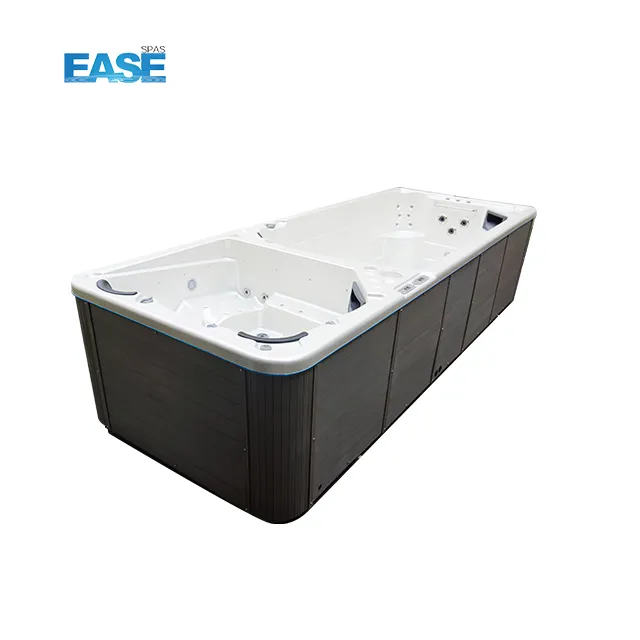
Swim Spas for Cardiovascular Fitness and Low-Impact Exercise
The Rise of Swim Spas as a Modern Home Workout Solution for Aerobic Training
Swim spas are changing how people stay fit at home because they mix the resistance of actual swimming with smaller sizes that actually fit in most backyards. What makes these things special is that they do two main things at once: create steady currents for swimming laps and offer those nice warm jets for relaxing after a workout. People who use them regularly find their heart rates get just as high as when they run, but without all that stress on their knees and hips since water naturally supports the body weight.
Adjustable Swim Currents for Personalized Cardiovascular Endurance Training
High end swim spas come with adjustable propulsion systems that let users set current speeds anywhere between 0.5 mph for gentle recovery swims all the way up to around 6 mph when someone really wants to push themselves during intense workouts. The ability to adjust resistance levels makes it possible for athletes to slowly build up their strength over time. For runners or anyone doing long distance training, these pools offer a great way to switch from running on pavement to swimming in water that's easier on the joints but still gives the heart and lungs a good workout. Many people find they maintain their fitness level better this way since there's less wear and tear on knees and ankles compared to pounding the pavement day after day.
Low-Impact Advantages Over Treadmills and Stationary Bikes for Joint-Safe Workouts
Treadmills and stationary bikes send shock waves right through our joints during exercise, but swim spas work differently. The water supports most of our body weight, cutting down on stress by around 90%. Research published last year showed something interesting too. People who exercised in spa currents had about 72% less inflammation after working out compared to those on treadmills. This makes sense why so many folks with arthritis or anyone coming back from surgery find these aquatic workouts so helpful. The gentle resistance without all that pounding just feels better overall.
Data Insight: 78% of Users Report Improved Aerobic Capacity Within 3 Months (Aqua Fitness Research, 2023)
Longitudinal data shows measurable improvements in cardiorespiratory fitness, with 4 out of 5 swim spa owners increasing VO2 max within 12 weeks. Water resistance elevates heart rate more efficiently than cycling while maintaining perceived exertion levels 35% lower than traditional cardio equipment, according to clinical trials.
Strength, Flexibility, and Functional Training Using Water Resistance
Swim spas enhance strength training by leveraging water’s density—12—14 times greater than air—to build muscle without stressing joints. Unlike gravity-dependent exercises, aquatic resistance engages muscles in all directions, promoting balanced development and protecting tendons and ligaments.
Building Muscle Tone With Water Resistance While Protecting Joints
Every movement in water activates multiple muscle groups. Pushing against the current works arms and shoulders, while stabilizing against turbulence strengthens the core. Studies show water resistance improves muscle tone 23% faster than land-based workouts in older adults, with 89% reporting reduced joint pain during exercise.
Core Stability and Flexibility Through Functional Aquatic Movements
Dynamic exercises like rotational lunges and aquatic planks improve stability and flexibility simultaneously. Buoyancy allows deeper stretches, increasing range of motion by 17—21% compared to dry-land routines, based on findings from hydrotherapy research.
Enhancing Workouts With Aqua Resistance Bands and Swim Tethers
Add specialized tools to intensify training:
- Resistance bands increase drag for upper-body strength
- Swim tethers enable stationary swimming for endurance conditioning
- Floating weights add resistance to lower-body movements while challenging balance
Designing a Full-Body Routine to Maximize Physical Health Benefits
A balanced 30-minute session might include:
| Phase | Exercise | Muscle Focus |
|---|---|---|
| Warm-up (5 min) | Water walking | Lower body activation |
| Strength (15) | Lateral bounds | Glutes, quads |
| Flexibility (7) | Suspended hamstring stretches | Posterior chain |
| Cool-down (3) | Buoyant yoga flows | Full-body relaxation |
This structured approach ensures full-body engagement while preserving water’s protective advantages—a method endorsed by 76% of physical therapists for safe, effective strength building.
Rehabilitation and Therapeutic Benefits for Joint Pain and Mobility
Hydrotherapy and Buoyancy for Post-Surgery Recovery and Injury Rehabilitation
Water’s buoyancy reduces joint loading by up to 90%, allowing post-surgical patients—such as those recovering from knee replacements or rotator cuff repairs—to move safely during healing. The warm water environment enhances circulation, supporting soft tissue recovery and reducing rehabilitation timelines.
Physical Therapy Protocols Using Swim Spas for Arthritis and Chronic Joint Pain
Custom aquatic programs help arthritis patients improve mobility without ground impact. Water resistance enables progressive strength training, with studies showing pain reductions of 30—50% in osteoarthritis cases. Evidence from leading physical therapy institutions confirms benefits for chronic conditions like fibromyalgia and rheumatoid arthritis.
Case Study: Arthritis Patients Show 40% Mobility Improvement After 12 Weeks (NIH, 2022)
A NIH-funded study followed 200 arthritis patients using swim spas three times weekly. After 12 weeks:
- 73% reported reduced morning stiffness
- 61% improved stair-climbing ability
- 40% showed better joint mobility scores
These outcomes support clinical recommendations for water-based rehabilitation.
Real-World Adoption in Veterans’ Centers for Mobility Restoration
Over 120 U.S. veterans’ hospitals now use swim spas in mobility programs. Controlled water resistance helps amputees rebuild proprioception, while adjustable temperatures alleviate neuropathic pain. This approach aligns with rehabilitation best practices for trauma and service-related musculoskeletal injuries.
Year-Round Accessibility and Routine Consistency for Home Fitness
Modern swim spas overcome seasonal limitations with climate control systems that maintain water temperatures between 80—104°F year-round. Unlike traditional pools that require seasonal closure, swim spas remain fully operational in all weather, enabling uninterrupted training.
Overcoming Seasonal Barriers With Climate-Controlled Swim Spa Environments
Insulated construction and energy-efficient heaters allow comfortable use even when outdoor temperatures drop to 20°F. This reliability ensures consistent access regardless of season.
| Environment | Traditional Pool | Swim Spa |
|---|---|---|
| Winter Use | Frozen/Inactive | Fully Operational |
| Maintenance | Seasonal Closing | Year-Round Readiness |
Daily Workout Consistency Enabled by At-Home Convenience
The average gym-goer spends over 100 hours annually commuting to fitness centers. Swim spa owners eliminate this barrier, enhancing adherence. A 2024 analysis found at-home exercise environments boost routine consistency by 73% compared to commercial gyms.
Phenomenon: 62% of Owners Use Their Swim Spa 4+ Times Weekly (Home Wellness Survey, 2023)
- Average usage frequency: 4.2 sessions/week
- Prime workout times: 6—7 AM (34%) and 7—9 PM (41%)
- Key motivator: 88% cite "immediate access" as the main reason for consistency
Reduced preparation time supports habit formation. Users track progress via built-in digital timers and resistance settings, simplifying performance monitoring.
Mental Wellness and Target User Applications of Swim Spas
Hydrotherapy’s Role in Reducing Stress and Lowering Cortisol Levels
Warm water combined with strategically placed jets delivers real hydrotherapy benefits that actually lower stress markers in the body. Studies show people who spend about half an hour soaking in these systems typically experience around a 20-25% reduction in cortisol levels. The research comes from various aquatic therapy centers across the country. For busy professionals or those taking care of others full time, having access to this kind of relaxation space can be a game changer when trying to unwind after tough days.
Improving Sleep Quality Through Circadian Rhythm Regulation
Using a swim spa 3—4 hours before bedtime leverages thermal regulation to support sleep. A 2023 clinical trial found participants fell asleep 35% faster and achieved 18% more deep sleep. Warm water (98—102°F) stimulates melatonin release, while physical exertion promotes restful fatigue—dual mechanisms that optimize circadian rhythms.
User Testimony: 70% Report Lower Anxiety After Consistent Swim Spa Use
According to a recent study published in the SpaWellness Journal back in 2023, around seven out of ten people who used these devices long term saw their anxiety symptoms go down. A user shared this experience during interviews: "The steady current pattern feels almost like meditation for me. My thoughts start to slow down right from minute one or two." Looking at how often people used them makes a difference too. Those who exercised with the device about four days each week had much better results than folks who only did it twice a week. About 85 percent of frequent users experienced real anxiety relief according to doctors, while just over half (52%) got similar benefits with less regular usage.
From Athletes to Seniors: How Diverse Users Benefit
Swim spas meet varied needs across demographics:
| User Group | Primary Benefit | Secondary Benefit |
|---|---|---|
| Competitive Swimmers | Low-impact endurance training | Shoulder injury prevention |
| Arthritis Patients | Pain-free range-of-motion exercises | Improved balance |
| New Parents | Stress relief during sleep deprivation | Core strength recovery |
This versatility explains why 68% of installations serve multi-generational households, according to 2024 market data.
FAQ
What is a swim spa?
A swim spa is a compact pool that combines the benefits of swimming and hot tubs, featuring adjustable currents for swimming and jets for relaxation.
How do swim spas benefit cardiovascular fitness?
Swim spas offer low-impact exercises that elevate heart rates similar to running, but without stressing joints, making them ideal for cardiovascular fitness.
What types of exercises can you do in a swim spa?
You can perform a variety of exercises including swimming against currents, water walking, lateral bounds, and more, using tools like resistance bands and swim tethers.
Can swim spas help with rehabilitation?
Yes, swim spas can aid in rehabilitation by reducing joint stress, supporting circulation, and providing a safe environment for post-surgery and arthritis recovery.
Table of Contents
-
Swim Spas for Cardiovascular Fitness and Low-Impact Exercise
- The Rise of Swim Spas as a Modern Home Workout Solution for Aerobic Training
- Adjustable Swim Currents for Personalized Cardiovascular Endurance Training
- Low-Impact Advantages Over Treadmills and Stationary Bikes for Joint-Safe Workouts
- Data Insight: 78% of Users Report Improved Aerobic Capacity Within 3 Months (Aqua Fitness Research, 2023)
- Strength, Flexibility, and Functional Training Using Water Resistance
-
Rehabilitation and Therapeutic Benefits for Joint Pain and Mobility
- Hydrotherapy and Buoyancy for Post-Surgery Recovery and Injury Rehabilitation
- Physical Therapy Protocols Using Swim Spas for Arthritis and Chronic Joint Pain
- Case Study: Arthritis Patients Show 40% Mobility Improvement After 12 Weeks (NIH, 2022)
- Real-World Adoption in Veterans’ Centers for Mobility Restoration
- Year-Round Accessibility and Routine Consistency for Home Fitness
- Mental Wellness and Target User Applications of Swim Spas
- FAQ