 EN
EN
Hydrotherapy Engineering: How Jet Design and Ergonomic Seating Deliver Targeted Relaxation
Jet Configuration and Muscle-Specific Hydrotherapy Mapping
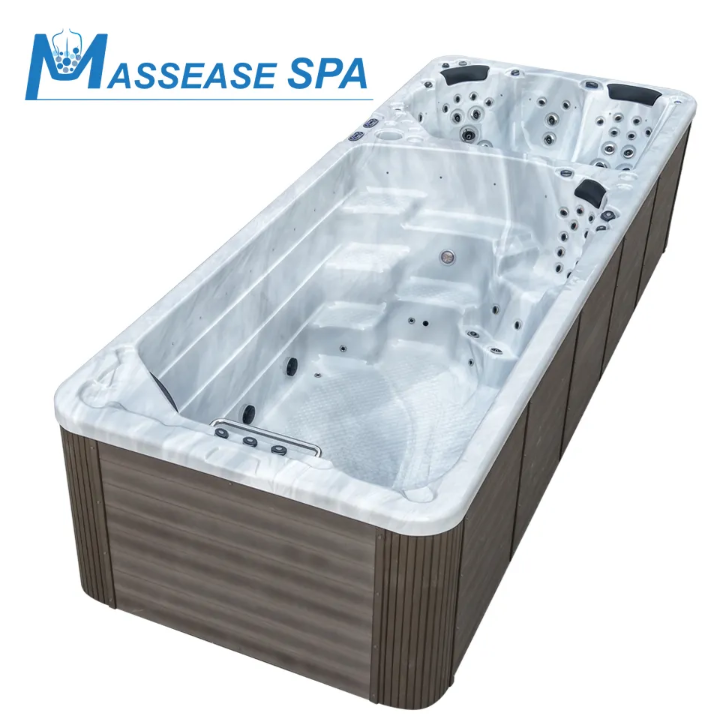
How jets are placed makes all the difference when turning a regular spa hot tub into something special for recovery. The shoulder jets hit those tight spots in the trapezius muscles, lumbar ones tackle that nagging lower back pain most people get after sitting too long at work, and foot jets actually do some reflexology stuff on the soles of feet. Some jets create swirling patterns across bigger areas like thighs, giving that full coverage feeling, while others pulse rhythmically deeper into the muscles where knots tend to hide. Most modern spas come with intensity controls so folks can adjust how strong they want the water pressure to be - maybe start off light for relaxation then crank it up later if they need serious muscle relief. What makes these systems really effective is how they cover different layers of the body at once, working out both the superficial tensions and those deeper muscle soreness that just won't go away no matter how much stretching someone does.
Pressure-Point Jet Placement for Joint Relief and Circulation
When sitting ergonomically designed chairs position people just right for decompressing specific joints. Neck jets angled properly line up with the cervical vertebrae area which helps take pressure off compressed nerves. At the same time knee level water streams boost circulation of synovial fluid throughout the joints. Research indicates that spending about 15 minutes soaking in water around 104 degrees Fahrenheit actually raises blood flow to the extremities by nearly 60 percent, helping wash away lactic acid buildup in tired joints. What happens is the combination of floating sensation and water pressure works together to lighten the weight burden on hips and lower back regions. Seats shaped specifically help keep pelvises aligned correctly even after long periods in the water. All these carefully thought out features turn regular water pressure into something that really helps those who deal with constant joint stiffness day after day.
Smart Sensory Integration: Lighting, Aromatherapy, and Controls for Holistic Stress Relief
Voice-Activated Spa Hot Tub Routines and Intuitive Wellness Interfaces
Today's spa hot tubs come equipped with voice command features that make relaxing even easier. People just say what they want instead of fumbling around with buttons these days. Want a hydrotherapy session? Just ask. Need softer lighting? Tell the system. Some models will even release certain scents when prompted. The whole point is to take away the hassle so folks can really unwind. Most units also have touch screens alongside the voice stuff, letting users save favorite settings for things like after-work recovery, getting ready for bed, or dealing with daily stress. Studies suggest people who use voice activated controls tend to feel calmer overall, though results vary from person to person. Either way, it definitely makes managing stress a lot less work than old fashioned methods.
Chromatherapy Lighting and Audio Sync for Circadian Alignment
Modern color therapy setups use LED lights that put out different light colors to affect how our bodies work. The blue light at around 470 nanometers helps keep people awake during the day, whereas those warm orangey tones at 590 nm actually kickstart melatonin production which makes us sleepy at night time. This basically supports our body's natural clock. When combined with sound systems, these effects get even better. Soft sounds of flowing water along with dimmed lighting creates an environment that really helps people fall asleep faster according to research showing improvements up to about 22%. Research has also found that colored light affects moods and hormone levels, so many wellness centers now include it as part of their programs. Adding aromatherapy through diffusers takes things one step further. Clinical tests have demonstrated that scents like lavender and chamomile can cut down anxiety symptoms by roughly 31%, making this combination approach quite powerful for overall well being.
Clean, Efficient Operation: Why Filtration and Energy Efficiency Sustain Long-Term Relaxation
Advanced Filtration Systems That Minimize Irritants and Support Physiological Calm
Good quality filtration in spa hot tubs actually gets rid of those tiny things that can irritate skin or cause allergies, such as bacteria, bits of organic matter, and minerals buildup. Most effective systems work in stages with skimmers, replaceable cartridges, plus ozone treatment to catch particles down to about 5 microns in size. People who upgrade from basic filters often see around a 60% drop in skin issues. The cleaner water makes a real difference for overall comfort too. When histamines aren't running wild, there's less itching, and when the pH stays balanced, skin doesn't get so dry and cracked. Plus, modern pumps that save energy along with well insulated covers help retain heat much better, cutting down on heating bills by roughly 70%. All these factors together mean folks can enjoy their spas consistently without breaking the bank or worrying about constant upkeep headaches.
Proven Wellness Outcomes: How Regular Spa Hot Tub Use Enhances Sleep Quality and Recovery
Spending time in a hot tub regularly can actually change how our bodies work in ways that improve sleep quality and speed up recovery times. When someone gets into warm water, their body temperature goes up about 1 to 2 degrees Fahrenheit. After getting out, the body cools down quickly, similar to what happens naturally at night when temperatures drop, which helps trigger melatonin production. This kind of temperature shift seems to cut down on the time it takes to fall asleep by around 36%, plus people tend to spend more time in deeper stages of sleep. Soaking also brings down stress hormones like cortisol by nearly 30% while activating the part of the nervous system responsible for rest and digestion, making conditions ideal for cells to repair themselves. Athletes who soak after workouts find their muscles recover about 40% faster because floating in water takes pressure off joints and better blood flow helps flush out waste products from exercise. People dealing with chronic pain notice something too - going in the evening reduces those annoying middle-of-the-night wakeups by almost half since the heat helps relax tight muscles that cause pain cycles. What matters most though is sticking with it: folks who manage to get into the tub 3 or 4 times a week for about 20 minutes each session tend to see significantly better sleep quality over time compared to those who only do it occasionally.
FAQ Section
What are the benefits of using jets in a spa hot tub?
Jets in a spa hot tub are strategically placed to target specific muscle groups and relieve tension. They can enhance blood circulation, reduce muscle soreness, and offer reflexology benefits, among other therapeutic effects.
How does voice activation in spa hot tubs work?
Voice-activated spa hot tubs allow users to control settings such as hydrotherapy routines, lighting, and aromatherapy features through voice commands, making relaxation more convenient and personalized.
How do spa hot tubs improve sleep quality?
Using a spa hot tub increases body temperature, which mimics natural nighttime cooling and triggers melatonin production. Regular use is associated with quicker sleep onset and deeper sleep stages.
What is chromatherapy in a spa hot tub?
Chromatherapy involves using colored LED lights to influence mood, sleep, and circadian rhythms. Different colors are used for various effects, such as blue light for alertness and warm tones for calming and sleep.
Table of Contents
- Hydrotherapy Engineering: How Jet Design and Ergonomic Seating Deliver Targeted Relaxation
- Smart Sensory Integration: Lighting, Aromatherapy, and Controls for Holistic Stress Relief
- Clean, Efficient Operation: Why Filtration and Energy Efficiency Sustain Long-Term Relaxation
- Proven Wellness Outcomes: How Regular Spa Hot Tub Use Enhances Sleep Quality and Recovery
- FAQ Section